Freelance Tax Guide for Filipinos in 2026: BIR Registration, 8% Gross Income Tax & Form 1701Q
Disclosure: Some links in this article are affiliate links. If you click and make a purchase, we may earn a commission at no extra cost to you. This does not influence our editorial recommendations - we only recommend products and services we genuinely believe in. Read our full affiliate disclosure.
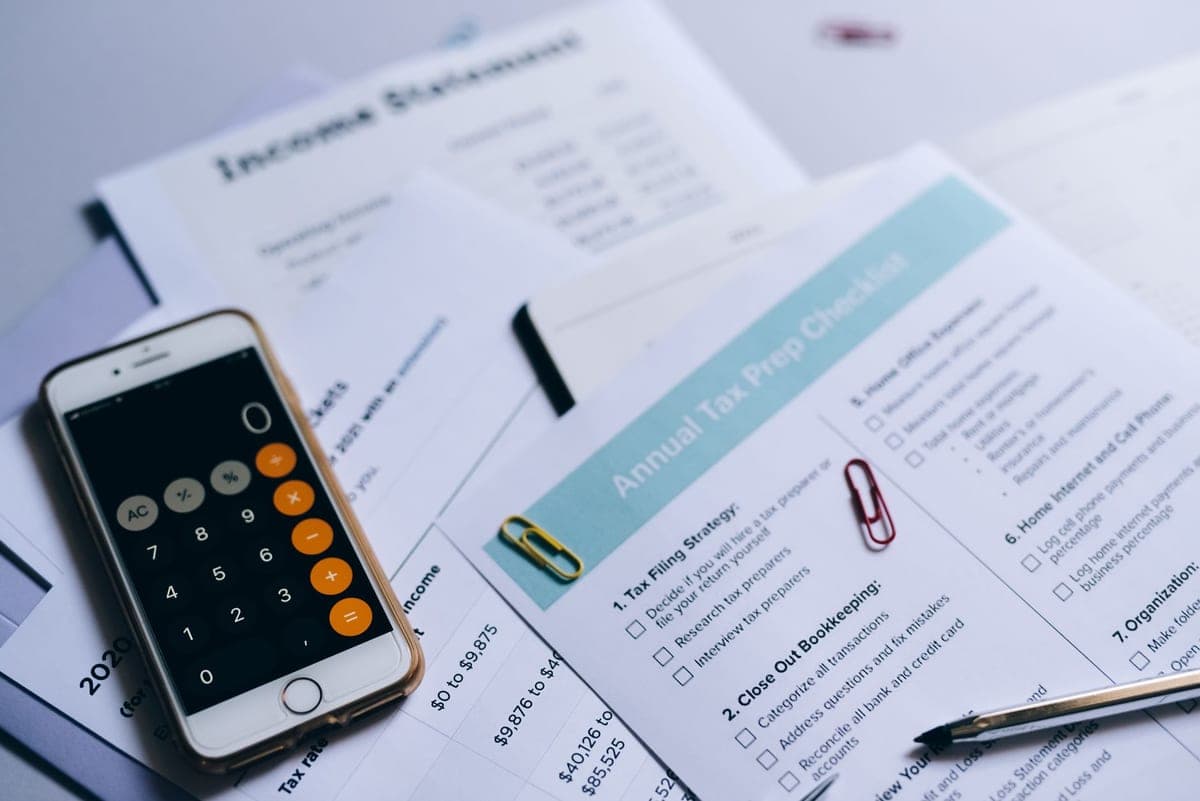
The Philippines is a global powerhouse for remote professionals - home to hundreds of thousands of virtual assistants, customer experience leads, software engineers, and digital marketing strategists earning direct US Dollar, Australian Dollar, and Euro contracts.
However, many Filipino freelancers fear registering with the Bureau of Internal Revenue (BIR) due to misconceptions about bureaucratic complexity, hefty taxes, and tedious paperwork.
Under the TRAIN Law and the Ease of Paying Taxes (EOPT) Act, tax compliance for freelancers has become significantly simpler. By choosing the 8% Flat Income Tax Rate, you can avoid complicated accounting, exempt yourself from percentage taxes, claim a PHP 250,000 tax-free deduction, and secure the stamped ITRs required for bank loans and tourist visas.
Here is the ultimate guide to registering, calculating, and filing your freelance taxes in the Philippines in 2026.
1. Choosing Your Tax Regime: 8% Flat vs Graduated Rates
| Criteria | 8% Flat Income Tax (Recommended) | Graduated Income Tax Rates (OSD or Itemized) |
|---|---|---|
| Eligibility | Gross receipts $\le$ PHP 3,000,000 / year | Any income level; required if > PHP 3M |
| Tax Rate | Flat 8% on taxable income | Graduated brackets (0% to 35%) |
| Initial Exemption | PHP 250,000 tax-free per year | Built into first graduated tax bracket |
| Percentage Tax (3%) | EXEMPT (Included in 8%) | Subject to 3% percentage tax (Form 2551Q) |
| Accounting Burden | Minimal (Record gross revenues) | High (Must track & audit business receipts) |
| Best For | 90% of solo remote workers & VAs | High-overhead businesses with substantial local expenses |
2. Step-by-Step BIR Registration Guide for Freelancers
Follow this 5-step roadmap to register as a Self-Employed Professional with your local Revenue District Office (RDO):
Documents Required:
- Valid Government IDs (Passport, UMID, Driver's License, or National ID) showing your home address within the RDO's jurisdiction.
- Occupational Tax Receipt (OTR) or Professional Tax Receipt (PTR): Obtained from your municipal city hall treasury (approx PHP 150 to PHP 300).
- BIR Form 1901: Application for Registration for Self-Employed Individuals. Check the box electing the 8% Income Tax Rate.
- Sample Client Contract or Service Agreement: Proving independent contractor status.
3. The Freelancer Tax Filing Calendar (2026 Deadlines)
Mark these critical quarterly submission dates in your calendar to avoid late surcharge penalties:
| Quarter | Period Covered | Form to File | Submission Deadline |
|---|---|---|---|
| Q1 | January 1 – March 31 | BIR Form 1701Q | May 15 |
| Q2 | April 1 – June 30 | BIR Form 1701Q | August 15 |
| Q3 | July 1 – September 30 | BIR Form 1701Q | November 15 |
| Annual (Q4) | Full Calendar Year | BIR Form 1701A | April 15 (Following Year) |
Filing is handled digitally via the eBIRForms software package or third-party accredited tax platforms (like Taxumo or JuanaTax). Payments can be settled online through GCash, Maya, Landbank, or UnionBank.
4. Why Legitimate Tax Filing Supercharges Your Finances
Operating in the shadows might save a modest tax amount, but it cripples long-term financial mobility:
- Approved Tourist Visas: Consulates for Japan, South Korea, the UK, Europe (Schengen), and the US universally require stamped BIR Form 2316 or 1701A as proof of ties and legitimate financial means.
- Real Estate & Auto Financing: Philippine banks will reject home loan applications without 2 consecutive years of stamped BIR Income Tax Returns.
- High-Tier Credit Cards: Unlocking premium credit cards (UnionBank, BDO, BPI) requires submitting your annual ITR.
Summary
Registering as a freelance taxpayer in the Philippines is an investment in your personal financial freedom. Under the 8% gross income tax regime, you receive a PHP 250,000 tax-free cushion, eliminate percentage taxes, and build an unassailable financial paper trail.
Explore related guides: Best Virtual Assistant Agencies Hiring in the Philippines and How to Pay for ChatGPT with GCash in the Philippines.
Frequently Asked Questions
Under the TRAIN Law, self-employed individuals and freelancers earning gross sales or receipts not exceeding PHP 3,000,000 annually can elect an 8% flat income tax rate. This 8% flat tax is in lieu of graduated income tax rates and the 3% percentage tax, and includes an initial PHP 250,000 deduction on annual income.
Legitimacy and access to formal financial systems. Having an official BIR Certificate of Registration (Form 2303) and stamped Income Tax Returns (ITR / Form 1701A) is mandatory in the Philippines to secure housing loans (Pag-IBIG), bank auto loans, credit cards, commercial Schengen/US tourist visas, and to prove legitimate source of wealth.
Freelancers filing under the 8% regime submit Form 1701Q (Quarterly Income Tax Return for Individuals) for Q1, Q2, and Q3, followed by Form 1701A (Annual Income Tax Return for Individuals Earning Income Purely from Business/Profession) by April 15 of the following year.
Under the Ease of Paying Taxes (EOPT) Act, the distinction between sales invoices and official receipts has been unified into standard 'Commercial Invoices'. Freelancers must register their books of accounts and issue registered commercial invoices for client billing, though digital invoicing frameworks have streamlined the process.

Alex Morgan is the founder and lead editor of RemoGrid. With over six years of hands-on experience in remote operations, cross-border freelance workflows, and AI tool benchmarking, Alex independently tests and audits software platforms to help modern digital workers build sustainable online income streams. He regularly reviews international payment systems (Wise, Stripe, Payoneer, local mobile wallets) and conducts real-world usability benchmarks across AI productivity tools.