Best Digital Wallets for Africa 2026: The Honest Comparison
Disclosure: Some links in this article are affiliate links. If you click and make a purchase, we may earn a commission at no extra cost to you. This does not influence our editorial recommendations - we only recommend products and services we genuinely believe in. Read our full affiliate disclosure.
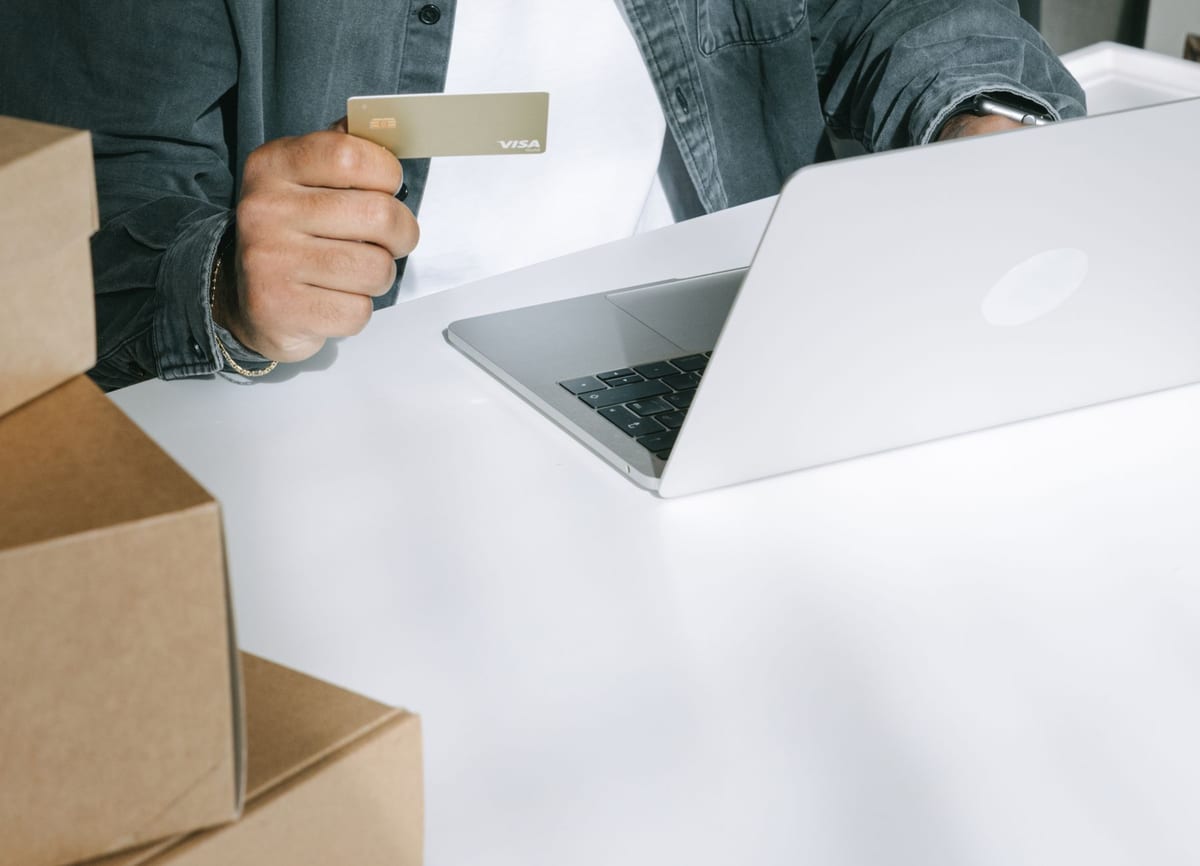
The digital wallet market in Africa is crowded and the advice around it is worse than the market. Every wallet advertises itself as the solution, and none of them is. The honest truth is that African users need a stack - international wallets for receiving, mobile money for local life, and the right one for each job. This guide covers categories, the top-tier options, and how to choose without locking your money in the wrong place.
Note: this page names paid tools. If you subscribe through the links here, RemoGrid may earn a commission at no extra cost to you.
Building Sustainable Online Revenue Streams
Building a dependable online income requires patience, clear positioning, and consistent execution over months rather than days. Many beginners abandon promising projects too early because initial earnings start slowly. In reality, most legitimate online business models - whether affiliate publishing, digital product sales, or consulting - follow a compounding growth curve.
Start by mastering one primary channel before trying to diversify into multiple revenue models simultaneously. If you are building a content website, focus on publishing comprehensive, helpful answers to specific user search queries. Once you establish steady organic traffic and audience trust, you can layer on additional monetization methods such as high-converting affiliate partnerships, digital guides, or premium memberships.
Track your key metrics weekly, including page views, conversion rates, and revenue per visitor. Understanding which specific topics drive the majority of your earnings allows you to double down on high-performing content while trimming unproductive efforts.
Avoiding Common Online Income Pitfalls
The most common mistake new online entrepreneurs make is investing heavily in expensive tools, themes, and courses before proving their core offer. You do not need top-tier enterprise software to launch a profitable online brand. Free and low-cost tools can easily carry your business through its first several thousand dollars in revenue.
Beware of get-rich-quick schemes or platforms promising guaranteed daily returns. Legitimate online income is always tied to providing real value - whether solving a technical problem, saving a client time, or providing honest consumer guidance.
Set realistic financial goals and maintain an emergency buffer. Treat your online earnings like a real business by reinvesting a portion of early profits back into better hosting, content improvements, or professional development.
The Short Answer
The best wallet is the one that fits the job: Payoneer or Wise for receiving international freelance income, PayPal for platform payments, and M-Pesa, MTN MoMo or Orange Money for local life. No single wallet does everything, and the honest strategy is a stack - each wallet where it is strongest, with the money moving at the best rate.
The Two Worlds of African Wallets
African digital money lives in two worlds that rarely overlap cleanly. The international world is PayPal, Payoneer, Wise and the virtual card issuers - wallets that connect to global platforms and pay in dollars. The local world is mobile money - M-Pesa, MTN MoMo, Orange Money, Wave - wallets that pay school fees, buy airtime and move shillings in seconds. The honest user needs both, and the skill is moving money between them without losing it to fees.
The International Income Wallets
The wallets that receive international freelance income:
- Payoneer - freelance standard, receiving accounts for platforms and clients, with local withdrawal routes
- Wise - rate champion, mid-market conversion with transparent fees
- PayPal - platform default, widely accepted though its conversion rates are weaker
- Virtual dollar cards - bridge for spending and platform payments
The honest comparison is the total cost of getting the money out: the fees plus the exchange rate. Payoneer and Wise usually keep more than PayPal, and the difference compounds with every withdrawal.
The Local Mobile Money Wallets
The wallets that run daily life:
- M-Pesa - the East African standard, Kenya and Tanzania
- MTN MoMo - the West and Central African standard
- Orange Money - strong across francophone Africa
- Wave - growing across West Africa with low fees
These wallets move money in seconds, pay bills and receive remittances from international services. The honest truth is that the local wallet is not optional - it is how the money becomes usable.
The Bridge Between the Two
The real skill is the bridge: moving money from the international wallet to the local one without losing a chunk to fees. The routes include:
- International services that deliver to mobile money - WorldRemit, Remitly, Western Union
- Linked cards and accounts - withdrawing from Payoneer or Wise to a bank that connects to mobile money
- Peer exchanges - where legal and safe, converting through trusted channels
The honest warning is to compare the bridge costs per transfer, because the exchange rate on the bridge is where the money disappears.
The Security Reality
The major wallets use standard security, and the real risks in Africa are the human ones: phishing, scam accounts and shared access. The protection is boring and effective: verify your identity, enable two-factor authentication, never share your PIN or access, and treat any request for your wallet details as a scam. The wallet is safe when the user is careful.
The Wallet Selection Checklist
When choosing a wallet, the honest checklist is:
- withdrawal route - can the money get out where you live?
- fees - what does moving money cost at each step?
- exchange rate - what do you actually keep per dollar?
- security - verification and two-factor protection
- support - what happens when something breaks?
A wallet that pays out easily at fair rates beats one with better marketing and worse economics. The checklist applies to every wallet in the stack.
What I'd Actually Do
I would build the stack deliberately: Payoneer or Wise for international income, PayPal where the platforms require it, and the local mobile money wallet for daily life. I would compare the bridge costs before every transfer and hold dollars where I could convert at a good rate. And I would verify every account and enable two-factor authentication, because the stack is only as safe as its weakest account.
Final Takeaway
The best digital wallet in Africa is not one product - it is a stack. Payoneer and Wise for receiving, PayPal for the platforms, mobile money for local life, and a bridge between them at the best rate. Choose each wallet for the job, compare the total costs, and secure every account. The African user with the right stack keeps more of every dollar than the one chasing the single perfect wallet.
Also read: best virtual dollar cards for Africans, Payoneer vs Wise vs Paystack, how to receive money from abroad in Kenya.
Frequently Asked Questions
The best wallet depends on your need - Payoneer and Wise for receiving international freelance income, PayPal for platform payments, and the mobile money wallets like M-Pesa for local life. Most users need more than one.
Mobile money wallets - M-Pesa, MTN MoMo, Orange Money - are the local standard, and international services connect to them for top-ups and withdrawals. The connection quality varies by country.
The major wallets use standard security, but the risks come from phishing and scam accounts. The protection is verification, two-factor authentication and never sharing access.
Wallets offer speed and convenience, while banks offer more stability and lower fees on large amounts. Most African users run both, using wallets for speed and banks for the rest.
The withdrawal route, the fees, the exchange rate and the security. A wallet that pays out easily at fair rates beats one with better marketing.
Most wallets are tied to one country's currency and payment rails, so cross-border use is limited. Check the wallet's country list before sending money abroad.
Keep only the money you plan to spend in the wallet and move the rest to a bank. Wallets are convenient, but banks carry the stronger protections.

Alex Morgan is the founder and lead editor of RemoGrid. With over six years of hands-on experience in remote operations, cross-border freelance workflows, and AI tool benchmarking, Alex independently tests and audits software platforms to help modern digital workers build sustainable online income streams. He regularly reviews international payment systems (Wise, Stripe, Payoneer, local mobile wallets) and conducts real-world usability benchmarks across AI productivity tools.