Neteller to M-Pesa Kenya: The Niche Rail, Explained
Disclosure: Some links in this article are affiliate links. If you click and make a purchase, we may earn a commission at no extra cost to you. This does not influence our editorial recommendations - we only recommend products and services we genuinely believe in. Read our full affiliate disclosure.
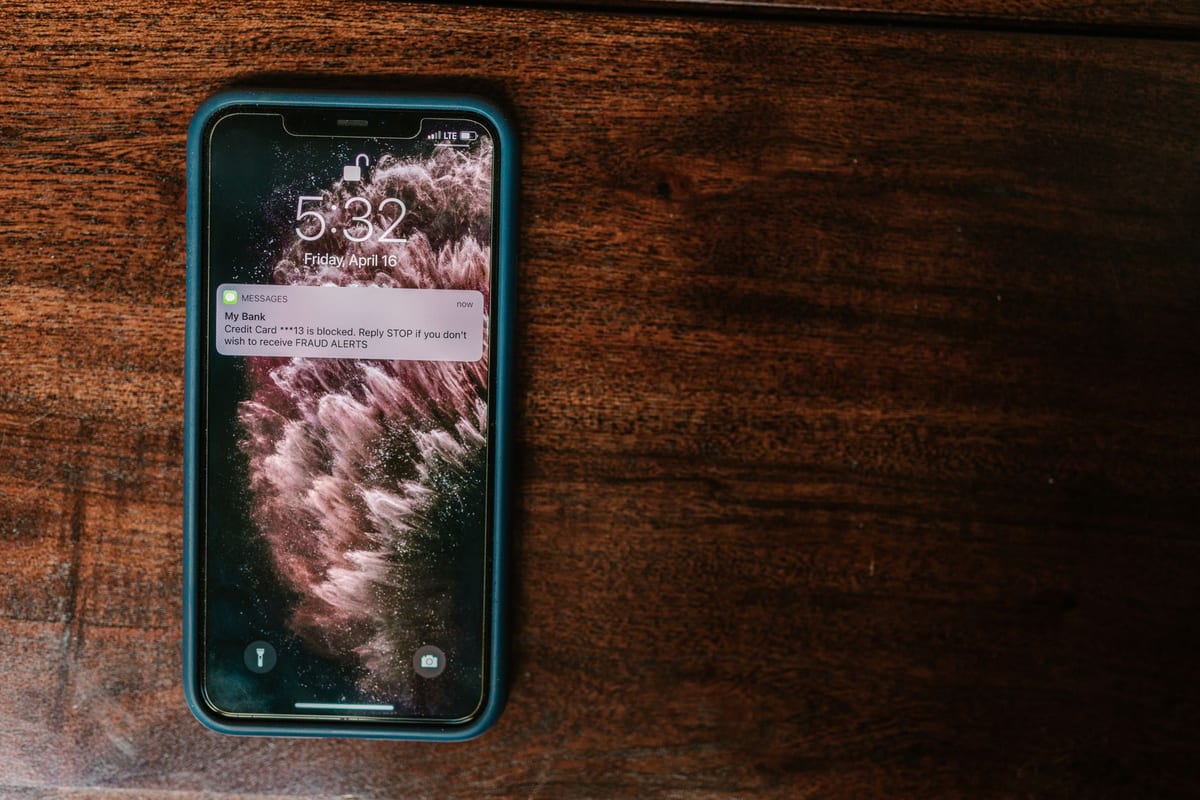
Neteller has a strange role in the payment world: it's a household name in the e-wallet niche and a mystery to everyone else. In Kenya it has a presence, a functional account, and a set of routes that stop short of the thing most people want - money into M-Pesa. The question is how to cross that gap, and whether it's worth it.
This is the honest guide to Neteller to M-Pesa Kenya: bridges, fees, and reality.
Note: this page names paid tools. If you subscribe through any links here, RemoGrid may earn a commission at no extra cost to you.
Building Sustainable Online Revenue Streams
Building a dependable online income requires patience, clear positioning, and consistent execution over months rather than days. Many beginners abandon promising projects too early because initial earnings start slowly. In reality, most legitimate online business models - whether affiliate publishing, digital product sales, or consulting - follow a compounding growth curve.
Start by mastering one primary channel before trying to diversify into multiple revenue models simultaneously. If you are building a content website, focus on publishing comprehensive, helpful answers to specific user search queries. Once you establish steady organic traffic and audience trust, you can layer on additional monetization methods such as high-converting affiliate partnerships, digital guides, or premium memberships.
Track your key metrics weekly, including page views, conversion rates, and revenue per visitor. Understanding which specific topics drive the majority of your earnings allows you to double down on high-performing content while trimming unproductive efforts.
Avoiding Common Online Income Pitfalls
The most common mistake new online entrepreneurs make is investing heavily in expensive tools, themes, and courses before proving their core offer. You do not need top-tier enterprise software to launch a profitable online brand. Free and low-cost tools can easily carry your business through its first several thousand dollars in revenue.
Beware of get-rich-quick schemes or platforms promising guaranteed daily returns. Legitimate online income is always tied to providing real value - whether solving a technical problem, saving a client time, or providing honest consumer guidance.
Set realistic financial goals and maintain an emergency buffer. Treat your online earnings like a real business by reinvesting a portion of early profits back into better hosting, content improvements, or professional development.
The Short Answer
Neteller doesn't withdraw directly to M-Pesa. The practical route is Neteller to a Kenyan bank or virtual card, then to mobile money. For most Kenyans, the fees make it a situational tool, not a strategy.
The Neteller Reality in Kenya
Neteller's Kenyan situation:
- account works - Kenyans can use Neteller
- withdrawal options are limited - bank and card routes
- fees add up - per transaction and on conversion
Neteller is functional, and functional is not the same as good. The rails that serve Kenya better - Payoneer and Wise - usually win on every axis that matters.
The Withdrawal Routes
The practical paths:
- Bank withdrawal - Neteller to a Kenyan bank account
- Virtual card - withdraw to a card, then to mobile money
- Direct mobile money - limited or unavailable
The bridge is the same one Kenya uses everywhere: a bank or card in the middle, then M-Pesa at the end. The question is whether the fees make the bridge worth crossing.
The Fee Reality
Neteller's costs stack:
- Withdrawal fee - per transaction
- Currency conversion - the FX spread
- bridge costs - bank or card step
On small amounts, the fees can eat a real slice. The honest advice for most Neteller balances: withdraw once, in full, and don't plan a habit around it.
The Comparison
| Neteller | Payoneer | Wise | |
|---|---|---|---|
| Kenya fit | Limited | Strong | Strong |
| Fees | Stack | Moderate | Low |
| Direct to M-Pesa | No | No | No |
All three need the mobile money bridge. The difference is fee structure and coverage, and Payoneer and Wise win on both.
When Neteller Makes Sense
The honest cases:
- A specific platform pays via Neteller - you use what the platform offers
- A one-off balance - withdraw it and move on
- A country where the alternatives fail - not Kenya
For most Kenyans, Neteller is a situation, not a strategy. Balance arrives, withdrawal costs, and lesson is to check the payout rails before choosing the platform.
What I'd Actually Do
If a Neteller balance arrives, withdraw it in one transaction through the bank route, accept the fees, and move the money to M-Pesa. Don't build a Neteller habit around it - alternatives serve Kenya better. And when choosing platforms, check the payout rails first: Payoneer and Wise are the ones that make Kenyan life easier.
The Verification Step
Neteller's verification is the gatekeeper between you and your money, and it deserves attention. The account upgrade requires identity documents and proof of address, and the limits on unverified accounts are deliberately tight. For a Kenyan freelancer the honest warning is to complete the full verification before relying on the account for real payments. The process is standard - documents, photos, waiting - and the mistakes that delay it are the usual ones: unclear images and mismatched names. The verification is tedious, and it's also the step that separates a toy account from a working one.
Final Takeaway
Neteller to M-Pesa Kenya works through a bridge - bank or card first, M-Pesa at the end - and the fees make it a situational tool for most people. The rail exists, the market prefers the alternatives, and the honest advice is to use it once and choose better next time. The balance arrives; the lesson is in the choosing.
Also read: the Skrill version in Skrill withdrawal to mobile money Kenya, the Payoneer route in Payoneer withdrawal methods in Kenya, and the Wise option in Wise payment options in Kenya.
Frequently Asked Questions
Not directly. Neteller's routes focus on bank and card withdrawals. The M-Pesa step happens through a bridge.
Withdraw to a Kenyan bank or a virtual card, then move to M-Pesa. The direct mobile money route is limited.
Neteller charges fees per transaction and on currency conversion. The costs add up on small amounts.
For most Kenyans, no - routes are limited and the fees stack. Payoneer and Wise serve the market better.
Neteller is used in specific niches like online services and some international platforms. It's situational, not standard.
Verification is usually required before any withdrawal, and the account level sets the limits. Complete it before you rely on the route.
Both Neteller and the local payout partner set limits on transfer size and frequency. Check the limits before moving a large balance.

Alex Morgan is the founder and lead editor of RemoGrid. With over six years of hands-on experience in remote operations, cross-border freelance workflows, and AI tool benchmarking, Alex independently tests and audits software platforms to help modern digital workers build sustainable online income streams. He regularly reviews international payment systems (Wise, Stripe, Payoneer, local mobile wallets) and conducts real-world usability benchmarks across AI productivity tools.