Remitly vs WorldRemit for M-Pesa in 2026: Fees, Exchange Rates & Speed
Disclosure: Some links in this article are affiliate links. If you click and make a purchase, we may earn a commission at no extra cost to you. This does not influence our editorial recommendations - we only recommend products and services we genuinely believe in. Read our full affiliate disclosure.
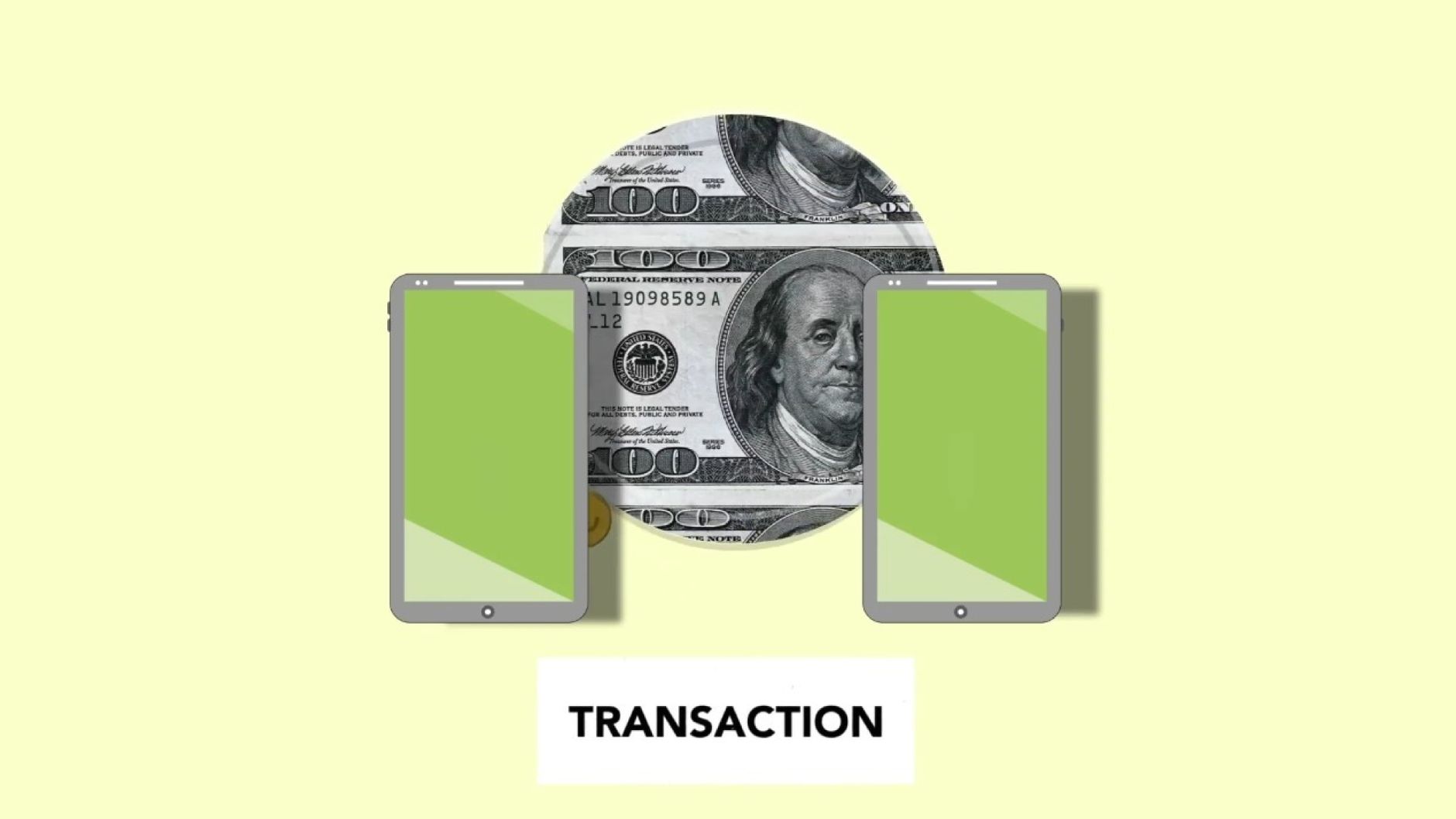
For hundreds of thousands of remote workers, software freelancers, and diaspora families sending funds to Kenya, Tanzania, and East Africa, Safaricom M-Pesa is the undisputed lifeline of financial transactions.
Rather than navigating lengthy wire delays at traditional commercial banks, mobile money transfers allow hard currency (USD, GBP, EUR) to land directly into a recipient's smartphone wallet in seconds.
Two global remittance titans dominate the mobile money corridor: Remitly and WorldRemit.
Both services promise instant delivery, transparent tracking, and competitive pricing. However, differences in their hidden exchange rate margins, flat transaction fees, and delivery tiers can mean a difference of several thousand Kenyan Shillings (KES) on a single transaction.
This guide provides a direct, head-to-head breakdown of Remitly and WorldRemit for M-Pesa transfers in 2026.
The Core Difference: How Remittance Pricing Works
Before comparing platforms, understand that money transfer providers make money in two distinct ways:
A platform advertising a "Zero Transfer Fee" often compensates by offering an exchange rate 2.5% below the mid-market rate, quietly pocketing the difference. Always calculate the net KES delivered to the recipient's phone rather than focusing solely on the stated transfer fee.
Head-to-Head Comparison: Remitly vs. WorldRemit for M-Pesa
| Feature / Metric | Remitly | WorldRemit |
|---|---|---|
| Delivery Speed to M-Pesa | Express (Instant) / Economy (3–5 days) | Instant (Under 60 seconds) |
| Transfer Fee (Express) | $1.99 – $3.99 (Free on $500+) | $1.99 – $2.99 (Varies by country) |
| Transfer Fee (Economy) | $0.00 – $1.99 | N/A (Instant only) |
| FX Markup over Mid-Market | 1.0% – 1.8% | 1.2% – 2.2% |
| First-Time Transfer Promo | Promotional rate boost on first $1,000 | 3 Free Transfers (Promo code: 3FREE) |
| M-Pesa Wallet Limit | KES 250,000 per transfer | KES 250,000 per transfer |
| Mobile App Rating (iOS/Android) | 4.8 / 5.0 | 4.7 / 5.0 |
| Customer Support Channels | 24/7 Chat & Phone | 24/7 Chat & Ticket Portal |
1. Exchange Rate and Fee Benchmarking
To measure real-world performance, we tested sending $500.00 USD from a US bank account to an M-Pesa registered number in Kenya.
Scenario: Sending $500 USD to M-Pesa
(Mid-market interbank benchmark rate: 1 USD = 132.00 KES)
- Remitly (Express Tier - Debit Card): Transfer Fee: $1.99 (Often waived for $500+) Exchange Rate Offered: 1 USD = 130.40 KES * Total KES Received by M-Pesa Wallet: KES 65,200
- WorldRemit (Standard Mobile Money): Transfer Fee: $2.99 Exchange Rate Offered: 1 USD = 129.85 KES * Total KES Received by M-Pesa Wallet: KES 64,925
The Outcome: Remitly delivered KES 275 more directly into the recipient’s mobile wallet due to a narrower foreign exchange margin. Over twelve monthly client invoices, that margin compounds into significant savings.
2. Speed and Delivery Mechanics: Express vs. Economy
How quickly your funds arrive depends on how the sender finances the transfer:
Remitly's Dual-Speed Model
Remitly provides two distinct delivery options:
- Express: Funded via debit card, credit card, or digital wallet (Apple Pay/Google Pay). Funds arrive in the recipient's M-Pesa wallet in under 2 minutes.
- Economy: Funded via direct ACH bank transfer. Takes 3 to 5 business days to clear, but charges zero transfer fees and provides the absolute highest exchange rate.
WorldRemit's Pure Instant Model
WorldRemit operates almost exclusively on an instant delivery model for mobile wallets. Regardless of whether the sender pays via debit card or bank transfer (where supported), transfers are pushed into the Safaricom M-Pesa network within 60 to 90 seconds.
3. Account Limits and Regulatory Compliance
Both platforms strictly enforce compliance with Safaricom and the Central Bank of Kenya (CBK):
If a client attempts to send $2,500 USD in a single transaction, both Remitly and WorldRemit will reject the transaction before processing payment to prevent funds from being stuck in Safaricom escrow. Senders must split amounts exceeding KES 250,000 across two separate transactions on consecutive days.
4. Step-by-Step: How to Receive Client Payments via M-Pesa
If you are a Kenyan freelancer receiving funds from overseas clients, follow these instructions to ensure smooth processing:
- Provide Exact Registered Credentials: Your full legal name matching your Kenyan National ID (e.g., John Mwangi Kamau). Your active Safaricom mobile phone number in international format (
+254 7XX XXX XXX). - Confirm Wallet Headroom: Ensure your M-Pesa balance plus the incoming transfer will not exceed the KES 500,000 maximum daily balance cap.
- Notify the Sender: Send your client your details along with a direct link to either Remitly or WorldRemit, advising them to select Mobile Money > M-Pesa as the delivery destination.
Kenyan Tax Compliance: Reporting International M-Pesa Income
Receiving foreign currency directly into M-Pesa does not exempt freelance contractors from statutory tax responsibilities with the Kenya Revenue Authority (KRA):
- Foreign Remittance Classification: Inbound transfers from Remitly and WorldRemit are categorized as foreign home remittances. They are exempt from Value Added Tax (VAT) under exported services provisions.
- Income Tax Obligations: Individual freelancers must report foreign earnings under their annual KRA Individual Income Tax returns (ITR) using their personal KRA PIN.
- Record Keeping: Retain digital PDF receipts generated by Remitly and WorldRemit, cross-referencing transaction IDs against monthly Safaricom M-Pesa statements for auditing compliance.
Troubleshooting Transfer Delays: What to Do If Funds Are Stalled
While 98% of mobile money transfers clear within 90 seconds, occasional network delays occur:
Common Delay Causes:
- Safaricom System Maintenance: Safaricom periodically conducts late-night core banking upgrades (usually between 12:00 AM and 4:00 AM East Africa Time). International transfers initiated during this window queue automatically and release once systems restore.
- Sender Bank Fraud Triggers: If a client transfers $1,000 using a new debit card for the first time, their local bank may place an administrative freeze until the cardholder confirms authorization via SMS.
- M-Pesa Balance Cap Exceeded: If the incoming deposit pushes the recipient's wallet balance beyond KES 500,000, Safaricom rejects the transaction, bouncing funds back to the remittance provider.
4-Point Security Checklist for International Remittances
Because international wire fraud targets mobile money corridors, adhere to these security principles:
- Verify Sender Profile: Only accept transfers from clients with verified email domains or established escrow contracts. Avoid third parties claiming they will send M-Pesa funds on behalf of an anonymous buyer.
- Never Share Your M-Pesa PIN: Legitimate remittance platforms never request your 4-digit Safaricom M-Pesa secret PIN. You only need to supply your registered phone number and legal name.
- Beware of Fake M-Pesa SMS Notifications: Always verify incoming deposits by checking your real balance in the Safaricom M-Pesa app or running the
*334#USSD inquiry. Con artists often send spoofed SMS messages that mimic official Safaricom sender IDs. - Confirm Exchange Rates Before Invoicing: If invoicing a foreign client for fixed Kenyan Shillings, agree on whether the sender or recipient absorbs foreign exchange fluctuations to avoid billing disputes upon settlement.
The Verdict: Which Service Wins?
Choose Remitly If:
- You want the best exchange rate on recurring transfers over $200.
- You can take advantage of the Economy zero-fee tier for predictable monthly payments.
- You want a massive first-time customer exchange rate promotional bonus.
Choose WorldRemit If:
- You frequently send smaller amounts (under $100) where low fixed fees matter.
- You want access to the
3FREEpromo code for three fee-free transfers. - You need a dedicated focus on African mobile money corridors with consistent customer support.
Frequently Asked Questions
Remitly generally offers slightly superior exchange rates on standard transfers, while WorldRemit frequently offers promotional zero-fee transfer codes on initial transactions. For recurring monthly transfers over $200, Remitly's economy tier typically delivers more Kenyan Shillings (KES) to the recipient's mobile wallet.
Both Remitly (Express delivery) and WorldRemit deliver funds into the recipient's Safaricom M-Pesa account within 60 seconds of payment confirmation. Remitly Economy transfers paid via standard bank account take 3 to 5 business days.
Safaricom M-Pesa enforces a per-transaction limit of KES 250,000 and a maximum daily mobile wallet balance limit of KES 500,000. Remitly and WorldRemit automatically cap individual mobile wallet transfers to adhere to these statutory limits.
Yes. International clients in the US, UK, Europe, Australia, and Canada can send payments directly from their bank card or bank account straight into your personal M-Pesa registered phone number without requiring you to open a foreign bank account.
No. The recipient pays zero fees to receive incoming international remittances on M-Pesa. Standard Safaricom withdrawal transaction fees apply only when withdrawing physical cash at an authorized M-Pesa agent or transferring funds to other mobile users.
Senders can pay using Visa and Mastercard debit or credit cards, direct ACH or SEPA bank transfers, Apple Pay, Google Pay, and regional options like iDEAL or Klarna.
Both platforms verify phone numbers against Safaricom's registered name database prior to final release. If the number is unregistered, the transfer will fail and refund automatically. If sent to an active wrong number, contact customer support immediately to initiate a transfer reversal.
Yes. Senders must verify their identity by providing a government-issued passport, driver’s license, or national ID card along with proof of address to comply with international anti-money laundering (AML) regulations.

Alex Morgan is the founder and lead editor of RemoGrid. With over six years of hands-on experience in remote operations, cross-border freelance workflows, and AI tool benchmarking, Alex independently tests and audits software platforms to help modern digital workers build sustainable online income streams. He regularly reviews international payment systems (Wise, Stripe, Payoneer, local mobile wallets) and conducts real-world usability benchmarks across AI productivity tools.