Remote Proofreading and Copyediting Jobs for Beginners in 2026 ($20–$40/hr Tested)
Disclosure: Some links in this article are affiliate links. If you click and make a purchase, we may earn a commission at no extra cost to you. This does not influence our editorial recommendations - we only recommend products and services we genuinely believe in. Read our full affiliate disclosure.
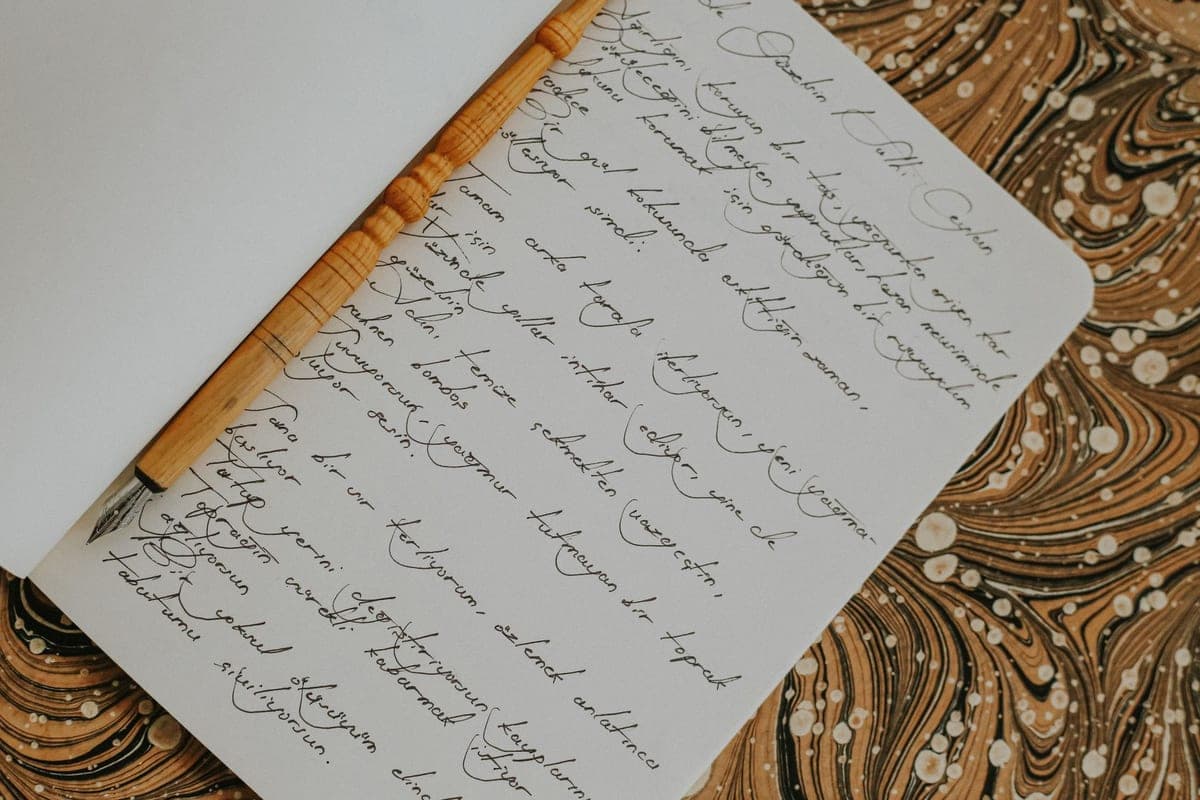
Remote proofreading and copyediting represent two of the most beginner-accessible entry points into the professional writing economy. Every ebook, corporate report, academic thesis, legal filing, and marketing campaign requires a skilled human eye to catch the errors that automated grammar tools miss - and that eye can belong to anyone with a strong command of written English and an eye for detail.
The market for remote editorial professionals has expanded significantly in 2026 as content teams, academic institutions, and publishing houses increasingly outsource document review to specialized freelancers rather than maintaining in-house editorial departments.
1. Proofreading vs Copyediting: Understanding the Work
2. Top Platforms and Companies Hiring Remote Proofreaders (2026)
1. Scribbr (Academic Proofreading - $18–$26/hr)
Scribbr is the premier platform for academic proofreading of student dissertations, journal manuscripts, and university coursework. Requirements include a university degree in any field, native English (or equivalent), and passing a multi-stage editing test. Scribbr pays per word ($0.015–$0.025/word) with consistent volume.
2. ProofreadingServices.com ($19–$46/hr)
Accepts proofreaders after passing a timed English language and editing test. Caters to corporate clients, legal firms, and academic authors. Pay is per-page based on editing depth required.
3. Scribendi ($18–$30/hr)
An established global editorial services company hiring remote editors and proofreaders across multiple disciplines. Applicants complete a rigorous application test demonstrating track-changes proficiency in Microsoft Word.
4. Upwork and Fiverr (Freelance Rates: $25–$55/hr)
Setting up your own proofreading profile on Upwork allows you to set competitive rates. Niche specializations (legal contracts, scientific papers, eCommerce product descriptions) command the highest rates on the platform.
3. Building Credentials Without a Publishing Background
Essential Style Guides to Study
- AP Stylebook: Mandatory for journalism, news, and PR clients
- Chicago Manual of Style (CMOS): Standard for book publishing and academia
- APA 7th Edition: Required for psychology, social science, and education manuscripts
- AMA Manual of Style: Medical and clinical research journals
Learning just two style guides (AP + CMOS) positions you to serve 80% of available proofreading clients.
Frequently Asked Questions
Yes, but you must demonstrate strong grammar command through verified tests (such as the Caitlin Pyle ProofreadAnywhere test or the Scribbr application editing test) and ideally have a working knowledge of AP Style, Chicago Manual of Style, or APA formatting for academic clients.
Entry-level proofreaders earn $20 to $25 per hour for general blogs and marketing copy. Academic proofreaders and copyeditors handling dissertations, journal articles, or legal documents typically earn $28 to $42 per hour. Expert book-length developmental editors can earn $50 to $80 per hour.
Proofreading is the final quality check — catching typos, spelling errors, punctuation mistakes, and formatting inconsistencies in a near-final document. Copyediting involves deeper engagement: correcting grammar, improving sentence structure, flagging factual inconsistencies, ensuring style guide adherence, and occasionally rewriting unclear passages.
Most platforms require Microsoft Word with Track Changes, Google Docs with Suggesting Mode, or PDF annotation (via Adobe Acrobat). Academic editing platforms like Scribbr additionally require familiarity with APA 7th edition, AMA, Harvard, and Turabian citation formats.

Alex Morgan is the founder and lead editor of RemoGrid. With over six years of hands-on experience in remote operations, cross-border freelance workflows, and AI tool benchmarking, Alex independently tests and audits software platforms to help modern digital workers build sustainable online income streams. He regularly reviews international payment systems (Wise, Stripe, Payoneer, local mobile wallets) and conducts real-world usability benchmarks across AI productivity tools.