Remote Voice Over Jobs: The 2026 Honest Guide for Beginners
Disclosure: Some links in this article are affiliate links. If you click and make a purchase, we may earn a commission at no extra cost to you. This does not influence our editorial recommendations - we only recommend products and services we genuinely believe in. Read our full affiliate disclosure.
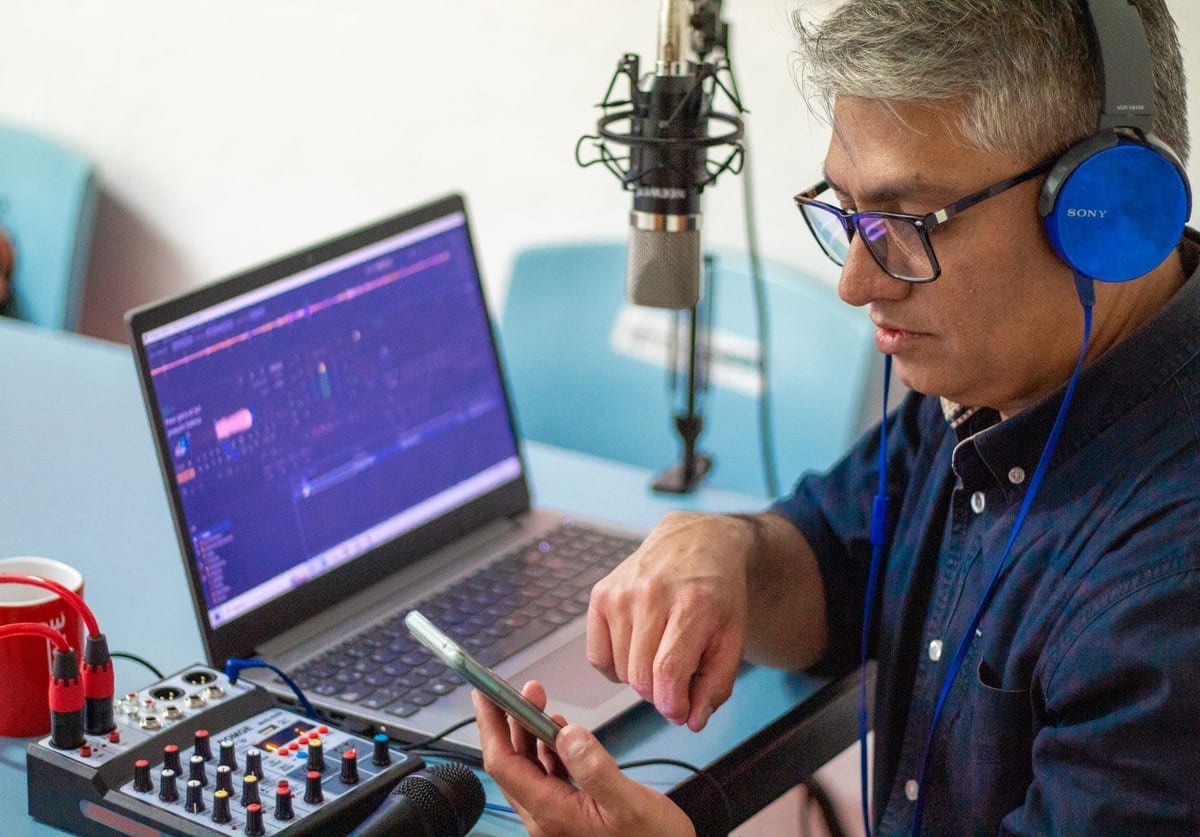
Voice over is the remote job that looks like a lottery and works like a craft. Demo matters, delivery matters, and room you record in matters - but the barrier to entry is lower than most creative people believe. A decent USB microphone, a blanket over a window, and thirty clean seconds of reading can be enough to start.
This is the honest guide to remote voice over jobs in 2026: platforms, home studio reality, pay, and reality of getting hired.
Note: this page names paid tools. If you subscribe through any links here, RemoGrid may earn a commission at no extra cost to you.
Daily Habits for Remote Productivity and Balance
Working remotely offers incredible flexibility, but it also blurs the boundary between professional obligations and personal life. Without the physical structure of a traditional office, top-performing remote professionals rely on intentional daily routines to maintain focus and prevent burnout.
Establish a dedicated workspace that you can mentally and physically step away from at the end of the workday. Set clear working hours and communicate your availability to your team or clients. Taking regular short breaks to stretch, stay hydrated, and rest your eyes improves overall concentration and sustained energy throughout the day.
Async communication is the foundation of high-functioning distributed teams. Write clear, detailed updates with sufficient context so colleagues in different time zones can make decisions without waiting for real-time meetings. Documenting workflows and decisions in shared docs reduces meeting fatigue and keeps everyone aligned.
Standing Out in a Global Remote Job Market
As remote positions attract applicants from all over the world, submitting a generic resume and standard cover letter is rarely enough to secure an interview. To stand out, tailor your application to demonstrate exactly how your past experience solves the specific problems listed in the job description.
Highlight tangible achievements rather than just listing daily responsibilities. Use concrete numbers, such as percentage improvements, revenue generated, or hours saved through your work. If you have experience with asynchronous collaboration tools like Slack, Notion, Asana, or GitHub, highlight that familiarity prominently.
Building a visible online presence - whether through an active LinkedIn profile, a personal portfolio website, or open-source contributions - acts as social proof that validates your skills and gives hiring managers confidence in your capabilities.
The Short Answer
Remote voice over jobs are real. The platforms connect voice artists to clients who need narration, commercials, explainers, and e-learning. The entry barrier is a decent mic, a quiet space, and a clean demo. The pay is per word or per finished minute, and the rates vary wildly with niche and experience.
What Voice Over Actually Involves
Voice over work splits into the lanes:
- Narration - audiobooks and the documentaries
- Commercials - radio and the online ads
- Explainers - product videos
- E-learning - training and the course narration
- IVR and system voice - phone menus
The honest pattern: the entry lanes are e-learning and explainers. The commercials pay the most and are the hardest to win. The IVR and system voice work is the quiet steady lane.
The Home Studio Reality
The gear question gets more attention than it deserves:
- microphone - a decent USB mic covers the entry standard
- room - quiet space is the real gear
- sound treatment - blankets and pillows beat on echo
- recording software - free editors do the job
The honest truth: the clients judge the recorded sound, not the gear list. A good voice in a treated bedroom records better than a flat voice in a studio. The beginner's money is better spent on the room than on the microphone.
The Platform Map
- dedicated voice platforms - auditions and the direct bookings
- freelance marketplaces - voice gigs on Fiverr and Upwork
- AI voice review market - human-checking lane
- podcast and YouTube lane - direct client work
The dedicated platforms run on auditions - artist records a sample for each job. The marketplaces run on gig listings. The AI voice review market is the newest lane, where humans check the AI-generated voice content. The honest advice: the beginner starts on the marketplaces where the entry bar is visible.
The Pay Reality
The honest numbers:
- Per-word rates - common payment unit
- Per-minute rates - for the narration lanes
- e-learning and explainer brackets - steady mid-range
- commercial rates - top bracket
The rates are all over the map. The entry work pays poorly per hour once you count the audition time. The niche voices - accents, the languages, the specific deliveries - climb the rate ladder. The African voice artist with a clean English accent and a marketable second language has a genuine edge in the global market.
The Developing-Market Angle
For voice artists in Africa and South Asia, the lane is genuinely open:
- language edge - multilingual artists win on international briefs
- rate advantage - global rates land well locally
- remote delivery - finished files ship by link
The payment rails are the standard ones. Payoneer and Wise handle payouts, and the local withdrawal routes bring the money home. The voice work is one of the few creative remote lanes where the developing-market artist competes on equal footing, because the client buys the audio file, not the location.
What I'd Actually Do
Record a clean one-minute demo in a treated room. Put the demo on the marketplaces with honest pricing. Bid on the e-learning and explainer briefs to build the history. Keep a second-language demo ready for the international briefs. Treat the audition time as cost of entry and delivery quality as the retention.
Final Takeaway
Remote voice over jobs are real, portable, and open to beginners who treat it as a craft. The home studio is a decent mic and a quiet room, not a building. The pay varies with the niche, and the developing-market artist has a genuine multilingual edge. Record the demo, learn the delivery, and let the lane build the history.
Also read: the creative lane in remote podcast editing jobs, the freelancing route in how to get freelance clients off-platform, and the payouts in how to receive Upwork payments any country.
Frequently Asked Questions
Yes - voice platforms and the marketplaces hire consistently. The auditions decide the work.
No - a decent USB mic, a quiet room, and basic sound treatment cover the entry standard. The delivery matters more than the gear.
The rates range from per-word payments to per-minute brackets. The niche voices climb the rate ladder.
Dedicated voice platforms and freelance marketplaces. The AI voice work is the newest lane.
Yes - beginner demos win on low-budget auditions. The rates climb with demo quality and client history.
A demo of 60 to 90 seconds with four short contrasting reads beats a long reel. Record it clean and list it on your profile.
Voice-over marketplaces, agencies and direct outreach to content creators produce work. The demo is the first thing clients judge.

Alex Morgan is the founder and lead editor of RemoGrid. With over six years of hands-on experience in remote operations, cross-border freelance workflows, and AI tool benchmarking, Alex independently tests and audits software platforms to help modern digital workers build sustainable online income streams. He regularly reviews international payment systems (Wise, Stripe, Payoneer, local mobile wallets) and conducts real-world usability benchmarks across AI productivity tools.