
Best Payment Apps for Latin American Freelancers (2026 Test)
Disclosure: Some links in this article are affiliate links. If you click and make a purchase, we may earn a commission at no extra cost to you. This does not influence our editorial recommendations - we only recommend products and services we genuinely believe in. Read our full affiliate disclosure.
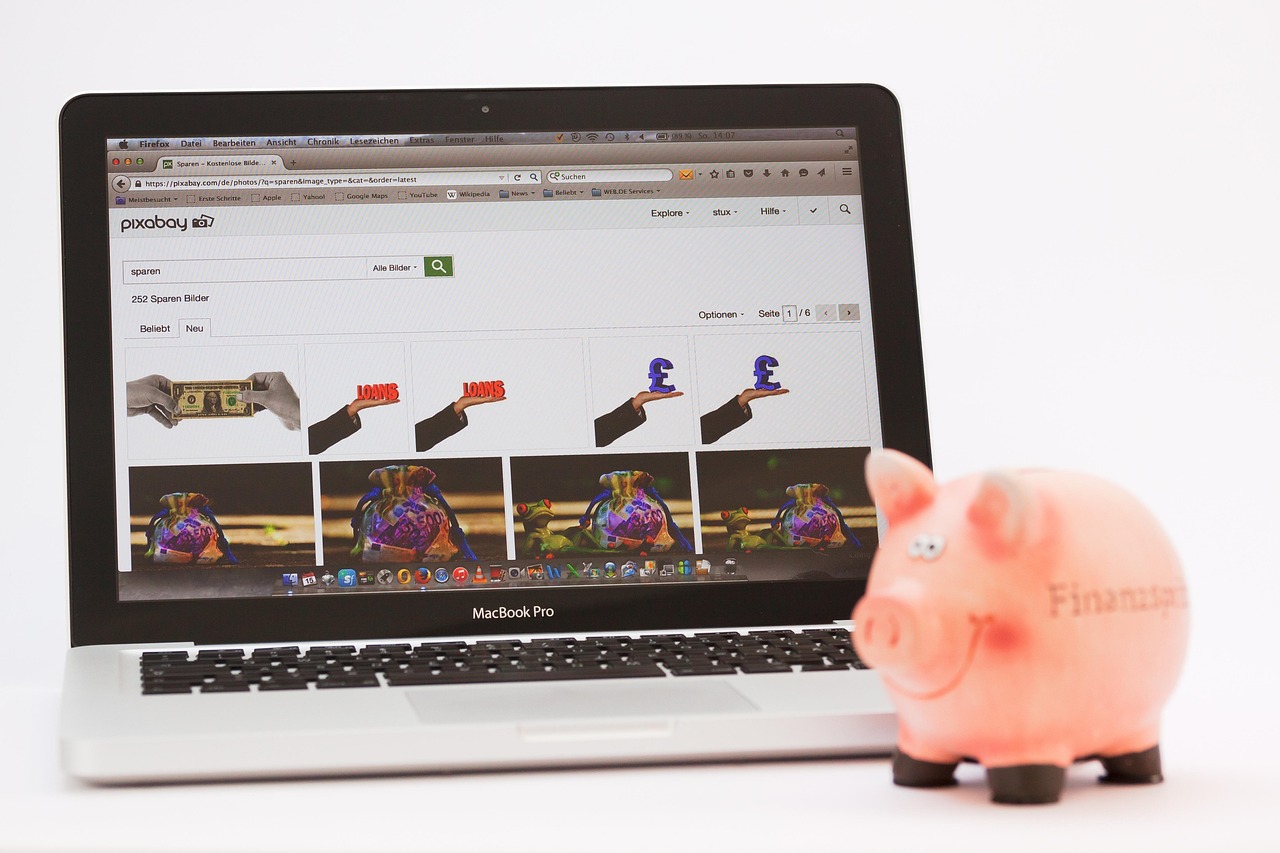
Best Payment Apps for Latin American Freelancers
Last month, I lost $42.50 to hidden intermediary fees just moving a $1,000 client payment from a New York digital agency to my temporary desk in Buenos Aires.
If you're freelancing from Mexico City, Bogota, San Jose, or Santiago, you already know the sinking feeling of watching a chunk of your hard-earned USD evaporate into thin air. Between predatory exchange rate markups, rigid legacy banking rails, and unpredictable wire fees, getting paid across borders as a Latin American remote worker feels like running an obstacle course.
Over the past six months, my team at RemoGrid and I have personally tested every major fintech app, virtual bank account, and payroll platform available to freelancers operating in Latin America. We didn't just read marketing brochures; we actually moved real funds, tested local bank withdrawals, analyzed hidden FX spreads, and tracked exact processing times down to the minute.
If you want to keep more of your money, avoid unexpected account freezes, and choose the best remote work tools for your specific stack, here is how the top contenders actually stack up in 2026.
RemoGrid is reader-supported. When you sign up or purchase through links on our site, we may earn an affiliate commission at no extra cost to you. We test every platform independently.
The Cross-Border Payment Nightmare in LATAM
Working remotely from Latin America for North American or European clients is a massive economic arbitrage, but the financial plumbing is broken.
When a client in Austin wires $2,000 to a traditional bank account in Colombia or Argentina, three things usually happen:
- The sending bank charges a $30 to $45 wire fee.
- Intermediary correspondent banks clip the ticket along the way, shaving off another $15 to $50.
- The receiving local bank applies a garbage exchange rate that is often 3% to 5% worse than the actual mid-market rate.
By the time the money hits your local account, you've lost 5% to 8% of your gross earnings. Multiply that across twelve months of billing, and you're essentially working an extra month for free just to feed legacy banking executives.
To stop this bleeding, you need a modern cross-currency stack. Let's look at the four heavyweights currently dominating the Latin American freelance market: Wise, Payoneer, Deel, and Remitly.
1. Wise: Best Overall for Low Fees and True Exchange Rates
Wise (formerly TransferWise) remains the gold standard for independent freelancers who want zero friction when converting hard currency into local Latin American pesos, reals, or soles.
How It Works
Wise gives you virtual bank account details in the US (ACH and wire), UK, Eurozone, Australia, and Singapore. Your US clients can pay you via domestic ACH transfer - meaning zero wire fees for them - and the funds land directly in your Wise USD balance within one to two business days.
The Good
- Mid-Market Exchange Rate: Wise never marks up the currency exchange rate. They charge a transparent percentage fee (typically between 0.45% and 0.85% depending on the currency pair) and give you the exact Google exchange rate.
- Speed: Once your USD is in Wise, converting it to a local Latin American bank account usually takes anywhere from a few seconds to a few hours.
- Multi-Currency Card: You can hold balances in over 40 currencies and spend directly using the Wise virtual or physical debit card.
The Catch
Wise has tightened its compliance requirements significantly. If you trigger automated security flags by moving large sums without fully verified business documentation, they will pause your account and demand notarized proof of address or updated tax IDs.
| Feature | Wise Business / Freelance |
|---|---|
| US Receiving Account Setup | Free (Virtual ACH/Routing) |
| USD to Local Currency Fee | 0.45% – 1.2% (Varies by country) |
| Local Bank Payout Speed | Minutes to 1 Business Day |
| Monthly Maintenance Fee | $0 |
| Best For | Independent contractors with direct US/EU clients |
2. Payoneer: Best for Accessing Established Freelance Marketplaces
Payoneer is the veteran player in the room. If you pull contracts from platforms like Upwork, Fiverr, Topcoder, or Toptal, you've almost certainly run into Payoneer.
How It Works
Payoneer provides a digital wallet paired with receiving accounts in USD, EUR, GBP, CAD, AUD, and JPY. It acts as an online hub where global platforms can instantly push your earnings, which you can then withdraw to your local bank or spend using the Payoneer Mastercard.

The Good
- Marketplace Integration: Upwork and Fiverr payouts to Payoneer are lightning-fast (often instantaneous once cleared on the platform) and carry minimal transfer fees.
- Global ATM Access: The Payoneer debit card lets you pull local cash directly from ATMs across LATAM, which is a lifesaver if you live in a country with strict capital controls.
- B2B Network: You can request payments directly from clients who don't use Upwork via Payoneer's billing service.
The Catch
Payoneer's fee structure is notoriously complex and aggressive. They charge an annual account fee of $29.95 (which they waive only if you cross a specific annual transaction volume), a roughly 2% markup on currency conversions, and fixed fees when withdrawing to local bank accounts in non-USD currencies.
| Feature | Payoneer |
|---|---|
| US Receiving Account Setup | Free (Subject to approval) |
| Currency Conversion Markup | ~2% above mid-market |
| Local Bank Payout Speed | 2 to 5 Business Days |
| Annual Fee | $29.95 (Waived if volume > $2,000/yr) |
| Best For | Upwork/Fiverr freelancers and multi-platform earners |
For a deeper dive into how this compares with traditional banking infrastructure, check out our guide on how to handle freelance invoices internationally.
3. Deel: Best for Full-Time Remote Contractors and EOR Workers
If you aren't strictly freelancing, but rather working as a dedicated remote contractor for a venture-backed tech company in Silicon Valley, your client is likely forcing you onto Deel. And honestly? You shouldn't complain too much.
How It Works
Deel acts as an intermediary compliance and payroll layer for global companies. Your client signs you up on Deel, handles local tax compliance, and funds your contract balance every cycle.
The Good
- Instant Withdrawals: Deel offers an incredible array of payout methods, including direct bank transfer, crypto (USDC/USDT), Payoneer, Wise, Revolut, and local instant cash pickups.
- Compliance Shield: Because Deel handles local employment and contractor laws, you rarely have to worry about clients misclassifying your tax status or withholding improper amounts.
- Deel Card: You can get a virtual USD card instantly inside the app to pay for software subscriptions, server hosting, and digital tools.
The Catch
Deel is built primarily for employer-to-contractor relationships. If you are a micro-freelancer juggling twenty different clients who pay random amounts via PDF invoices, setting up individual contracts for each client on Deel is clunky and unnecessary.
| Feature | Deel |
|---|---|
| Contractor Account Cost | Free for contractors |
| Withdrawal Fees | Varies ($5 flat for standard bank, free for crypto/Wise) |
| Payout Speed | Instant to 2 Business Days |
| Supported Currencies | USD, local LATAM currencies, crypto |
| Best For | Full-time remote contractors with US/EU tech companies |
4. Remitly & WorldRemit: Best for Fast Cash and P2P Transfers
While Remitly and WorldRemit are primarily known as remittance apps for sending money to family back home, many Latin American freelancers use them as a backup cash-out rail when bank accounts fail.
How It Works
A client or business partner abroad sends funds via Remitly using a debit card or bank account, and the money lands as a cash pickup at local agencies (like Elektra in Mexico or Bancolombia in Colombia) or directly into a mobile wallet within minutes.
The Good
- Speed to Cash: If your local bank account is frozen or undergoing verification, you can walk into a physical storefront and pick up physical cash using an ID.
- Promotional Rates: Remitly often runs zero-fee or high-exchange-rate promotions for your first few transfers.
The Catch
These apps are built for consumer remittances, not commercial B2B invoicing. If you use Remitly to receive thousands of dollars every single month from corporate entities, their compliance team will flag your account for business activity violations. Use this strictly as an emergency fallback option.
Country-by-Country Breakdown: Which App Wins Where?
Latin America is not a monolith. What works seamlessly in Mexico will get your account frozen in Argentina due to strict currency controls (CEPO). Here is RemoGrid's field-tested breakdown for 2026.
Mexico
- Winner: Wise
- Why: Mexico has a mature, stable banking system connected to SPEI. Wise integrates directly with SPEI transfers, allowing USD converted to MXN to land in your BBVA or Nu bank account within minutes at the true mid-market rate.
Colombia
- Winner: Wise or Deel
- Why: Bancolombia and Davivienda have notoriously strict anti-money laundering (AML) protocols for incoming international wires. Using Wise to push local COP via domestic ACH rails bypasses the harsh correspondent bank fees of traditional wire transfers.
Argentina
- Winner: Payoneer or Crypto via Deel
- Why: Due to Argentina's complex exchange controls and official vs. parallel exchange rates (MEP/Blue), traditional banking deposits of USD are instantly converted to pesos at the unfavorable official rate. Freelancers heavily rely on holding USD in Payoneer, withdrawing to local digital wallets, or taking payouts in stablecoins (USDC) via Deel to protect against runaway inflation.
Brazil
- Winner: Wise or Remessa Online
- Why: Brazil's Central Bank requires strict documentation (such as an Invoice/Contrato de Prestação de Serviços) for foreign currency entry. Wise handles this paperwork smoothly inside the app, letting you declare the transaction purpose in seconds.

Step-by-Step: Setting Up Your Wise Business Account from LATAM
To save you the headache of trial and error, here is the exact process I recommend for setting up a clean, verified Wise business account as a freelancer based in Latin America.
- Gather Your Documents: You will need a valid passport, a secondary government ID (national ID card or driver's license), and proof of address (utility bill or bank statement less than three months old).
- Register a Freelance/Sole Proprietor Account: Go to Wise, select Business Account, and register under your own legal name as a sole proprietor or independent contractor. Do not try to fake a US LLC unless you actually have a registered US entity, as automated verification will catch mismatched EINs.
- Submit Tax Information: Enter your local tax ID (RFC in Mexico, RUT in Colombia, CPF in Brazil). Transparency here prevents future compliance freezes.
- Order Your Virtual Details: Once verified, navigate to Balances, open a USD balance, and request your virtual US account routing and account numbers.
- Connect to Your Clients: Drop your new Wise US routing and account details directly into your invoice template or your Upwork/client billing portal.
For more tips on optimizing your digital nomad and remote setup, browse our comprehensive remote work guides.
Frequently Asked Questions
Which payment app has the lowest fees for converting USD to local Latin American currencies?
Wise consistently beats competitors by using the mid-market exchange rate and charging a transparent, flat percentage fee between 0.45% and 0.85% for direct bank transfers to countries like Mexico, Colombia, and Brazil.
Can I receive payments from US clients without having a local US bank account?
Yes. Both Wise and Payoneer provide virtual receiving accounts with US routing and account numbers, allowing you to accept ACH and wire transfers directly from American clients as if you lived in the States.
How long does it take to withdraw funds from Payoneer to a local bank in Argentina or Peru?
Direct local bank withdrawals via Payoneer typically take 2 to 5 business days, though local banking holidays and intermediary correspondent bank fees can occasionally stretch this timeline to a full week.
Do I need a physical US address to open a Wise business account as a freelancer in LATAM?
No. Wise allows Latin American residents to open multi-currency accounts using local proof of identity (such as a passport or DNI/CEDULA) and local proof of address, though availability varies slightly depending on your specific home country.
Is Deel better than Payoneer for remote contractors working with tech companies?
Deel is vastly superior if your client already uses Deel for compliance and payroll, as it offers instant withdrawals and zero withdrawal fees to specific wallets and crypto rails. If your clients pay independently via invoice, Payoneer or Wise provides more flexibility.
How do I avoid high intermediary bank fees when withdrawing large sums to Latin America?
Avoid traditional SWIFT wire transfers whenever possible. Instead, route your USD through local ACH-compatible rails provided by modern fintechs like Wise or use local currency payout corridors that convert your funds before they hit domestic banks.
Frequently Asked Questions
Wise consistently beats competitors by using the mid-market exchange rate and charging a transparent, flat percentage fee between 0.45% and 0.85% for direct bank transfers to countries like Mexico, Colombia, and Brazil.
Yes. Both Wise and Payoneer provide virtual receiving accounts with US routing and account numbers, allowing you to accept ACH and wire transfers directly from American clients as if you lived in the States.
Direct local bank withdrawals via Payoneer typically take 2 to 5 business days, though local banking holidays and intermediary correspondent bank fees can occasionally stretch this timeline to a full week.
No. Wise allows Latin American residents to open multi-currency accounts using local proof of identity (such as a passport or DNI/CEDULA) and local proof of address, though availability varies slightly depending on your specific home country.
Deel is vastly superior if your client already uses Deel for compliance and payroll, as it offers instant withdrawals and zero withdrawal fees to specific wallets and crypto rails. If your clients pay independently via invoice, Payoneer or Wise provides more flexibility.
Avoid traditional SWIFT wire transfers whenever possible. Instead, route your USD through local ACH-compatible rails provided by modern fintechs like Wise or use local currency payout corridors that convert your funds before they hit domestic banks.

Alex Morgan is the founder and lead editor of RemoGrid. With over six years of hands-on experience in remote operations, cross-border freelance workflows, and AI tool benchmarking, Alex independently tests and audits software platforms to help modern digital workers build sustainable online income streams. He regularly reviews international payment systems (Wise, Stripe, Payoneer, local mobile wallets) and conducts real-world usability benchmarks across AI productivity tools.


