
Zoom Review: The Video Call Standard
Disclosure: Some links in this article are affiliate links. If you click and make a purchase, we may earn a commission at no extra cost to you. This does not influence our editorial recommendations - we only recommend products and services we genuinely believe in. Read our full affiliate disclosure.
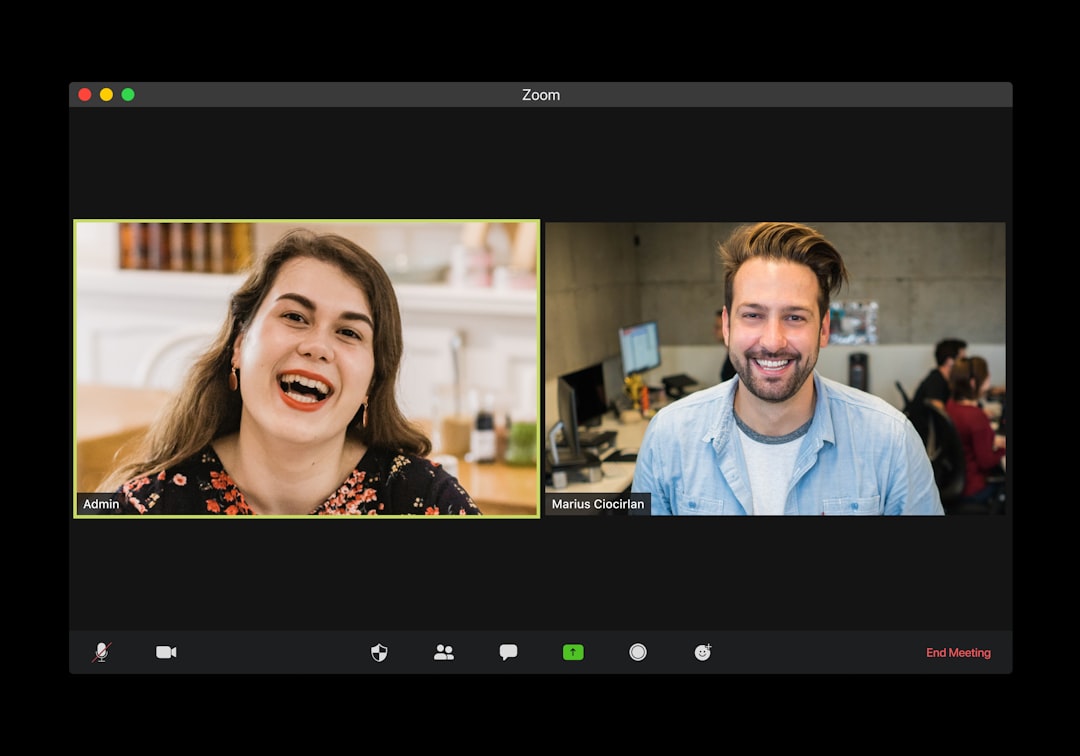
Zoom Review 2026: The Honest Verdict on the Video Call Standard
Zoom did the rare thing of becoming the generic term for its own category - the meeting is a Zoom, the call is a Zoom. The platform carried remote work through the pandemic and into the hybrid world, and its name became the verb.
This is the honest Zoom review for 2026 - call quality, the free tier, security history, and fit for remote work and client meetings.
Note: this page names paid tools. If you subscribe through any links here, RemoGrid may earn a commission at no extra cost to you.
How We Evaluate and Test Products
Our review methodology is built on real-world hands-on testing, practical feature analysis, and honest cost comparisons. We evaluate each tool across key criteria including ease of setup, reliability, user interface quality, customer support responsiveness, and overall value for money.
Rather than just summarizing marketing bullet points, we test products under realistic working conditions. We look at how the software handles heavy workloads, whether advertised features have hidden limitations, and how easy it is to cancel or export data if you decide to switch platforms.
We also pay special attention to international user considerations, such as regional payment method support, global server latency, and localized pricing options. This ensures our recommendations are genuinely practical for users worldwide.
Final Verdict and Who Should Buy
Before committing to an annual plan or expensive subscription tier, always test the platform using a free trial or monthly billing option first. Ensure the product integrates smoothly with your existing software stack and solves an immediate bottleneck in your workflow.
If the tool offers a solid free tier that meets your current needs, stick with it until your project or business scale demands the advanced features of a paid plan. Investing in software should always be justified by clear time savings, improved output quality, or direct revenue potential.
Actionable Next Steps and Implementation Guide
To turn the advice in this guide into tangible results, start by breaking down your implementation into manageable daily tasks. Trying to execute everything at once often leads to overwhelm and abandoned projects.
Begin with a quick assessment of your current setup, identify the single highest-priority bottleneck, and dedicate focused time to resolving it first. Document your progress, track your results against measurable benchmarks, and iterate based on what works best for your specific situation.
Consistency over time is what ultimately separates successful projects from stalled ideas. Dedicating even an hour each day to focused execution compounds into substantial progress over weeks and months.
The Short Answer
Zoom is the reliable video call standard - quality, features, and brand. The free tier serves small meetings. The security history is real, and fixes followed. Remote workers and client-facing freelancers get genuine value.
The Call Quality
Quality is the core:
- video reliability - stable calls
- audio clarity - crisp sound
- network handling - connection drops
The honest framing: video runs reliably across connections, audio clarity holds on weaker networks, and network handling degrades instead of dropping. Call quality is the foundation.
The Feature Set
Features build on the core:
- screen sharing - presentation tool
- recording - meeting capture
- breakout rooms - group splits
The honest reality: screen sharing covers presentations, recording captures meetings for later review, and breakout rooms split large calls into groups. This feature set serves professional use.
The Free Tier
The free tier opens the door:
- time limits - capped meetings
- participant caps - limited groups
- recording limits - cloud storage
The honest advice: the free tier caps group meeting time, participant caps limit crowd size, and cloud recording needs a paid plan. Small meetings run free.
The Security History
History shapes trust:
- early incidents - zoom-bombing era
- fixes - security updates
- current posture - improved defaults
The honest framing: early zoom-bombing incidents damaged trust, fixes - encryption, waiting rooms, defaults - followed, and the current posture is the improved standard. Defaults now protect users.
The Client Meeting Fit
Freelancers run on client calls:
- waiting room - controlled entry
- recording - shared notes
- scheduling - calendar links
The honest reality: the waiting room controls entry, recording shares meetings with absent parties, and scheduling links simplify booking. Client calls run on reliability.
The Alternatives
Rivals keep it honest:
- Google Meet - Google integration
- Microsoft Teams - office bundle
- new entrants - feature challengers
The honest framing: Google Meet wins Workspace integration, Microsoft Teams bundles with the office suite, and challengers innovate on the edges. Zoom keeps the feature crown.
The Host Controls
Hosts set the meeting rules:
- mute controls - noise management
- chat limits - side talk
- participant management - admission
The honest reality: mute controls manage noise, chat limits control side talk, and participant management protects the meeting. A host who uses the controls keeps calls on track.
What I'd Actually Do
Use Zoom for client meetings and webinars. Keep the waiting room and standard security settings on. Run small internal calls on the free tier. Record important client calls for the record. The standard works until your stack changes.
Final Takeaway
Zoom is the video call standard the remote world runs on. Quality and features are genuine strengths. Security history is the honest caveat, and fixes followed. The verdict: keep it for client calls and meetings that matter.
Common Setup Mistakes to Avoid
A few avoidable mistakes account for most of the frustration new users run into with zoom review:
- Skipping the free trial or free tier before committing. Test your actual use case first, not a generic demo scenario.
- Ignoring the fee structure until the first bill. Transaction fees, add-on costs, and per-seat pricing can change the real monthly cost significantly - check this up front.
- Not exporting or backing up data early. Know how to get your data out before you're locked in, in case you ever need to switch.
- Over-customizing before validating the basics work. Get the core setup running and tested before investing time in advanced customization.
Getting these right from day one saves a lot of rework later.
Also read: the office alternative in the Microsoft Teams review 2026, the chat in the Slack review 2026, and the client work in how to write a freelance proposal.
Frequently Asked Questions
The free tier offers calls with a time limit. Paid plans extend meetings.
Security posture improved after the early issues. Standard settings keep calls safe.
The free tier caps group meetings at a time limit. One-on-one calls run longer.
Zoom wins on features. Meet wins on Google integration. Company setup decides.
Yes - recording and the waiting room suit client calls. Reliability is the strength.
No, clients can join from the browser without installing the app. The browser option removes the friction.
Yes, Zoom records meetings locally or to the cloud on paid plans. Ask permission before recording client calls.

Alex Morgan is the founder and lead editor of RemoGrid. With over six years of hands-on experience in remote operations, cross-border freelance workflows, and AI tool benchmarking, Alex independently tests and audits software platforms to help modern digital workers build sustainable online income streams. He regularly reviews international payment systems (Wise, Stripe, Payoneer, local mobile wallets) and conducts real-world usability benchmarks across AI productivity tools.