Best Website Builder for Portfolios 2026: The Honest Pick
Disclosure: Some links in this article are affiliate links. If you click and make a purchase, we may earn a commission at no extra cost to you. This does not influence our editorial recommendations - we only recommend products and services we genuinely believe in. Read our full affiliate disclosure.
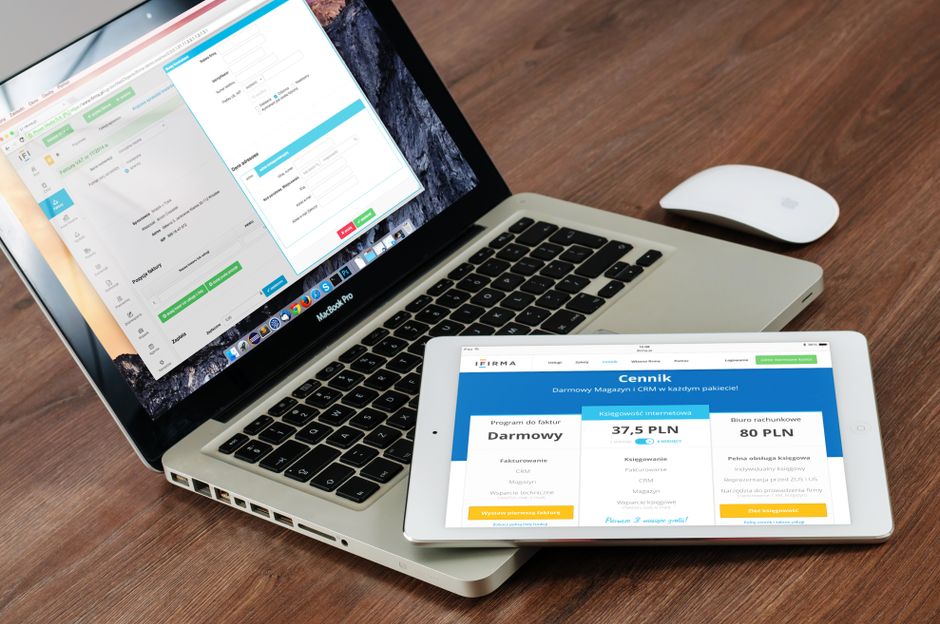
A portfolio is a freelancer's storefront, and the wrong builder makes the best work look average. The right builder makes work look better than it is - layout, spacing, typography, speed.
The honest framing: design-first builders lead the portfolio category, and your choice follows portfolio type and budget. This is the honest guide to the best website builder for portfolios in 2026 - design, pricing, showcase features, and fit.
Note: this page names paid tools. If you subscribe through any links here, RemoGrid may earn a commission at no extra cost to you.
Website Optimization and Security Best Practices
Choosing a reliable web host is the first step, but maintaining optimal website performance requires ongoing attention to configuration, caching, and security essentials. A fast, secure site improves user experience and supports higher search engine rankings.
Implement server-level or plugin-based caching, configure a content delivery network (CDN) like Cloudflare, and compress all images before uploading them to your server. Keeping your themes, plugins, and core CMS software updated protects your site against common vulnerabilities and ensures compatibility with modern PHP and database standards.
Always maintain automated off-site backups. Whether using an automated host backup tool or an independent cloud backup solution, having a recent restore point ensures you can recover quickly from unexpected technical errors or server issues.
Scaling Your Hosting as Your Traffic Grows
As your website traffic grows from a few hundred visitors to tens of thousands of monthly page views, monitor server response times and resource use closely. Shared hosting environments share server memory and CPU power among multiple accounts, which can lead to slowdowns during sudden traffic spikes.
When you begin noticing slower load times during peak hours, consider upgrading to a virtual private server (VPS) or a dedicated cloud hosting plan. Cloud-based hosting provides isolated resources, scalable bandwidth, and greater control over server configurations.
Planning your hosting upgrades proactively prevents site downtime during major marketing campaigns or viral traffic events, ensuring your visitors always enjoy a fast, smooth browsing experience.
The Short Answer
The best website builders for portfolios in 2026 are the design-first platforms - Squarespace, Wix, and no-code builders. Your choice follows portfolio type and budget. Free tiers cover the start, and a custom domain comes with the upgrade.
The Portfolio-Specific Needs
A portfolio has specific requirements:
- visual layout - work displayed large
- typography - readable and stylish
- speed - image-heavy pages
The honest framing: a portfolio runs on visual first impressions. Typography - fonts and spacing - carries the style, and speed matters because image-heavy pages load slowly on the wrong builder. The builder must handle images.
The Design-First Options
Design-first builders lead:
- Squarespace - polished templates
- Wix - flexible editor
- no-code builders - custom layouts
The honest reality: Squarespace templates are the cleanest out of the box, the Wix editor gives flexible control, and no-code builders serve custom layouts. Design-first options make work look professional.
The Free Tier Reality
The free tier covers the start:
- free subdomain - builder's address
- template access - design start
- upgrade - custom domain
The honest framing: the free tier launches your portfolio today, a subdomain - the builder's name in the URL - is the trade-off, and a custom domain comes with the paid tier. A freelancer applying for clients should upgrade early.
Pricing
Pricing follows the features:
| Option | Price | Fit |
|---|---|---|
| Free tier | Free | The start |
| Personal plan | Monthly price | Custom domain |
| Business plan | More | Extra features |
The honest pattern: a personal plan - custom domain, no branding - covers a freelancer, and business plans add analytics and e-commerce. Pricing is the honest filter.
The Image Handling
Images are a portfolio's lifeblood:
- gallery layouts - grid and masonry
- lightbox - full-size view
- optimisation - fast loading
The honest advice: gallery layouts present work, a lightbox shows full-size images, and optimisation keeps pages fast. Image handling decides the portfolio feel.
Work Showcase
The portfolio is the proof:
- project pages - case studies
- visual hierarchy - best-first order
- client results - outcome numbers
The honest framing: project pages show process and result, visual hierarchy leads with the strongest work, and client results quantify value. The showcase does the selling.
The Contact Path
Contact closes the visit:
- visible button - clear call
- multiple options - email, form, WhatsApp
- response promise - reply timing
The honest reality: a visible button guides the visitor, multiple options fit preferences, and a response promise sets expectations. A portfolio that makes contact easy wins inquiries.
What I'd Actually Do
List your portfolio pieces and pick a showcase order. Compare design-first builders on free tiers. Choose the builder with a template that matches your work. Upload the best pieces - quality over quantity. Upgrade to a custom domain when applications start. The portfolio is the work, and the builder is the frame.
Final Takeaway
The best website builder for portfolios in 2026 is the design-first platform that fits your work and budget. Visual layout, typography, and speed decide the impression. Free tiers cover the start, and a custom domain follows applications. Showcase the best work in the right frame.
Common Setup Mistakes to Avoid
A few avoidable mistakes account for most of the frustration people run into here:
- Skipping backups before making changes. A quick backup before any major edit turns a disaster into a five-minute fix.
- Ignoring renewal dates. Domains and hosting plans that lapse unexpectedly can take a live site down - calendar the renewal date the day you sign up.
- Over-customizing before the basics are solid. Get core functionality working and tested before layering on plugins, themes, or custom code.
- Not checking load time on mobile. A site that looks fine on desktop can still be slow on a phone - test both before calling it done.
Getting these right early saves far more time than fixing them after the site is live.
Also read: the photographer version in best website builder for photographers 2026, the Squarespace verdict in the Squarespace review 2026, and the beginner guide in best website builders for beginners.
Frequently Asked Questions
Design-first builders lead. Your choice follows portfolio type and budget.
Yes - free tiers cover basics. A custom domain comes with the upgrade.
No - drag-and-drop builders work. Templates handle the design.
Design-focused builders suit visual work. Control options serve custom work.
Free tiers up to monthly subscriptions. A custom domain is the extra.
A home page, a work gallery, an about page and a contact section cover most portfolios. Work samples carry the site.
Yes, builders make adding a project a few clicks. Update after every finished piece to keep the site fresh.

Alex Morgan is the founder and lead editor of RemoGrid. With over six years of hands-on experience in remote operations, cross-border freelance workflows, and AI tool benchmarking, Alex independently tests and audits software platforms to help modern digital workers build sustainable online income streams. He regularly reviews international payment systems (Wise, Stripe, Payoneer, local mobile wallets) and conducts real-world usability benchmarks across AI productivity tools.