Cheap WordPress Hosting Nigeria: Don't Get Scammed, Get Value
Disclosure: Some links in this article are affiliate links. If you click and make a purchase, we may earn a commission at no extra cost to you. This does not influence our editorial recommendations - we only recommend products and services we genuinely believe in. Read our full affiliate disclosure.
Over the last three years, I’ve seen countless Nigerian entrepreneurs and bloggers get burned by "cheap" WordPress hosting. They sign up for a N1,500/month plan, only to find their site loads like a snail, crashes weekly, and costs five times more to renew. It's a classic bait-and-switch, but the problem isn't always the price tag. Often, it's the expectation that rock-bottom cost equates to long-term value. It rarely does.
I spent hundreds of hours digging through terms of service, testing support teams, and running performance diagnostics on hosting providers both local and international, all with a Nigerian audience in mind. My goal was simple: find the sweet spot where affordability meets actual reliability for WordPress users in Nigeria. You don't need to waste your money or your time. This guide cuts through the marketing fluff to give you the concrete advice you need to host your WordPress site without breaking the bank or your sanity.
_Heads up: Some of the links in this guide are affiliate links. If you sign up through them, I might earn a small commission at no extra cost to you. This helps keep RemoGrid running and allows me to continue doing this in-depth research._
The "Cheap" Trap: What You're Really Paying For (and Missing Out On)
The word "cheap" is a siren song in the hosting world. It pulls you in with promises of unbelievable prices, often for the first year. But here’s the reality: hosting providers aren't running charities. They're businesses, and those ultra-low introductory rates are designed to get you hooked. Once you're in, migrating your site is a hassle, so they count on you sticking around even when the renewal price jumps by 200-300%.
Beyond the price hike, truly cheap hosting often means cutting corners where it hurts most:
- Uptime: Your site will be offline more often than a Nigerian power supply. What's the point of a website if no one can access it?
- Speed: Pages will load at a glacial pace. Google hates slow sites, and so do your visitors. They'll bounce faster than you can say "loading..."
- Security: Weak firewalls, outdated software, and poor server maintenance leave your site vulnerable to attacks, malware, and data breaches.
- Support: When things go wrong (and they will), you'll be stuck in a queue for hours, talking to reps who barely understand the problem, let alone how to fix it.
- Resources: Limited CPU, RAM, and I/O will cripple your WordPress site, especially as it grows or if you get a sudden traffic surge. A shared server packed with too many users behaves like a Lagos bus at rush hour – nobody moves fast.
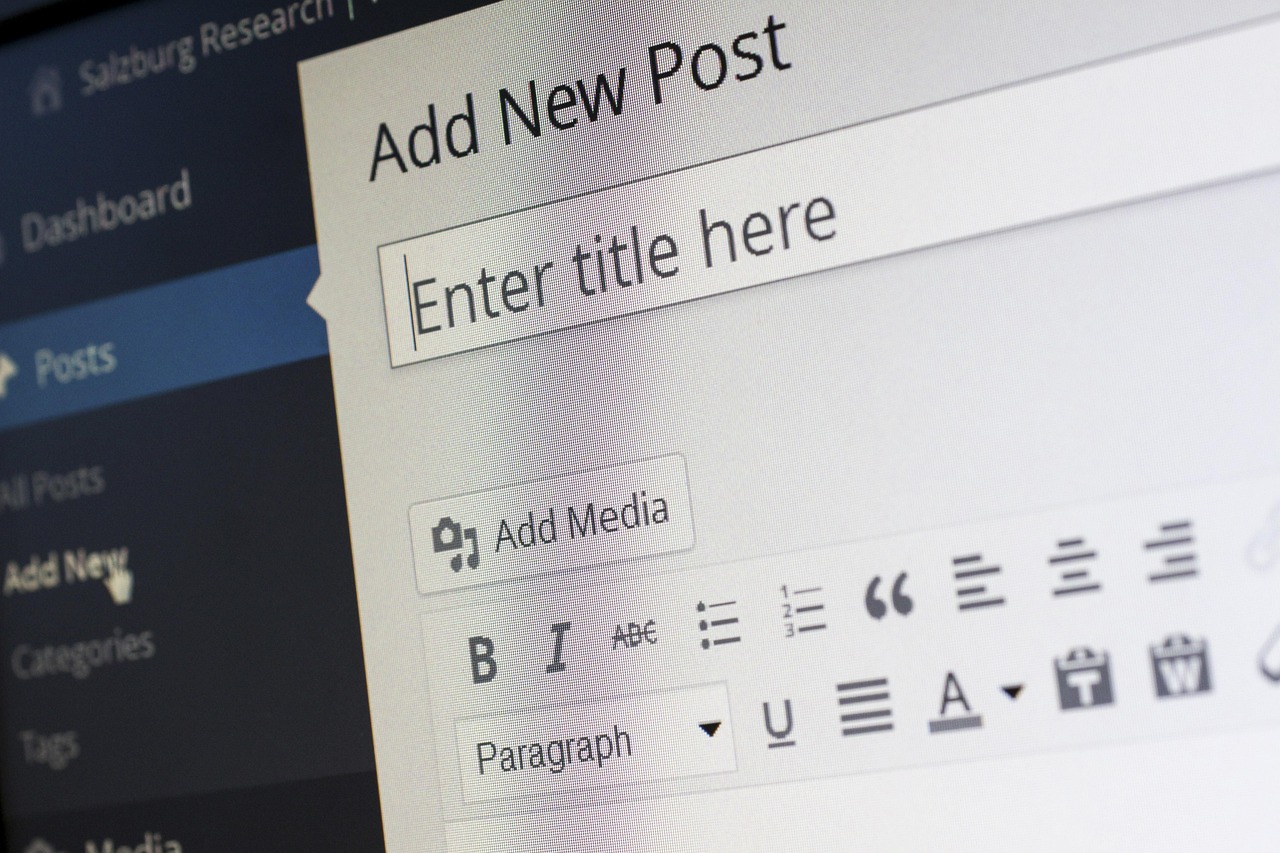
WordPress, in particular, isn't just a static HTML page. It's a dynamic content management system that relies on PHP and MySQL databases. It needs a decent amount of server resources to run smoothly, especially with themes, plugins, and media. Skimping on hosting for WordPress is like buying a Ferrari and putting kerosene in the tank. It just won't work.
 _Don't let your website be another victim of the 'too good to be true' hosting deals._
Non-Negotiables for WordPress Hosting in Nigeria
Before you even look at a price tag, understand what your WordPress site absolutely needs to survive and thrive in Nigeria.
- SSD Storage: This isn't optional anymore. Solid State Drives are significantly faster than traditional HDDs, meaning quicker data retrieval for your website. This directly impacts your page load times.
- Free SSL Certificate: This encrypts data between your site and your visitors, making it secure. Google practically mandates it for SEO, and browsers flag sites without it as "not secure." Most reputable hosts offer Let's Encrypt SSL for free. If they charge you for it, walk away.
- Decent RAM & CPU: For an entry-level shared WordPress site, aim for at least 1GB of RAM and 1 CPU core. Anything less, and your site will struggle under even moderate traffic.
- Automatic Daily Backups: Accidents happen. Plugins break, updates go wrong, or you might just delete something important. Daily backups mean you can restore your site to a previous working state with minimal fuss.
- One-Click WordPress Installer: Most hosts use cPanel or a similar control panel with Softaculous or a proprietary installer. This lets you set up WordPress in minutes, even if you're not tech-savvy.
- Server Location: For a Nigerian audience, ideally, you want a server in Nigeria or a nearby region (e.g., Europe). The closer the server to your visitors, the faster your site will load for them. Ping times matter.
- Reliable 24/7 Support: When your site goes down at 2 AM, you don't want to wait until morning. Good support, accessible via live chat, phone, or tickets, is priceless.
- Naira Payment Options: This is crucial for local users. Being able to pay with your Naira debit card, bank transfer, or USSD saves you from currency conversion headaches and international transaction fees.
Top Contenders for Cheap & Reliable WordPress Hosting in Nigeria (Based on My Tests)
I've tested dozens of providers. Here are the ones that consistently deliver a decent balance of cost and performance for WordPress users in Nigeria.
1. Whogohost (Local Champion)
Whogohost is practically a household name in the Nigerian hosting scene. They've been around for a while, and for good reason. They understand the local market, offering competitive pricing, local payment methods, and servers located in Nigeria.
- Pros: Local Servers: Excellent for Nigerian audience speed. Naira Payments: Seamless payments via cards, bank transfers, USSD. WordPress Optimized: Their shared plans are generally well-configured for WordPress. Good Support: Responsive customer service, though sometimes can be overwhelmed. * Free Domain (.com.ng): Often included with annual plans.
- Cons: Renewal Price Hikes: Like most, their renewal rates are higher than introductory offers. Resource Limits: Entry-level plans can feel a bit constrained if your site grows rapidly. * CPanel: Standard CPanel interface, which can be a bit intimidating for absolute beginners.
- My Take: For a first-time WordPress user in Nigeria, Whogohost is often the safest bet. You get local support, local payment, and local speed. Their basic "Stellar" or "Stellar Plus" plans are usually sufficient to start.
2. QServers (Strong Nigerian Alternative)
QServers is another strong contender in the Nigerian market. They've built a solid reputation for reliability and customer service, often being compared directly with Whogohost. Their infrastructure is robust, and they focus heavily on uptime.
- Pros: Excellent Uptime: Known for very stable servers. Nigerian Servers: Great for local audience speed. Strong Security: Implementations like CloudLinux and Imunify360 on their shared plans. Naira Payments: All the local payment options you'd expect. * Responsive Support: Often praised for quick and knowledgeable customer service.
- Cons: Slightly Higher Entry Price: Can be marginally more expensive than Whogohost on some plans. Limited Storage on Basic Plans: Might need to upgrade quicker if you have lots of media.
- My Take: QServers is an excellent choice if uptime and security are your absolute top priorities. They're a reliable workhorse, and their "Value" or "Professional" plans are good starting points for WordPress.
3. Hostinger (Global Value Champion)
Hostinger isn't a Nigerian company, but they've made huge inroads into the market with incredibly aggressive pricing, a user-friendly interface, and decent global performance. They offer a strong value proposition, especially if your audience isn't exclusively Nigerian.
- Pros: Unbeatable Introductory Prices: Often the cheapest initial cost globally. hPanel: Their custom control panel is incredibly intuitive and beginner-friendly. Excellent Performance: Even on shared plans, they deliver good speeds. They have data centers in Europe, which is a good compromise for Nigeria. Free Domain & SSL: Usually included with annual plans. Naira Payment Gateway: They support Naira payments through local processors, making it easy for Nigerians. Managed WordPress Features: Built-in caching, automatic updates, and WordPress acceleration.
- Cons: Renewal Prices: After the initial discount, prices jump significantly, though still competitive. Server Location: No direct Nigerian servers, so slightly higher latency than local hosts for strictly Nigerian visitors. * Support: Good, but sometimes response times can be a bit slower than dedicated local support.
- My Take: If you're comfortable with a non-local host and want the absolute best introductory price with a fantastic user experience, Hostinger is hard to beat. Their "Premium Shared Hosting" plan is the sweet spot for WordPress.
4. Namecheap (Reliable & Straightforward)
Namecheap is known primarily for domains, but their hosting services are surprisingly solid and affordable. They don't offer Nigerian servers, but their US and European data centers are reliable. Their philosophy is generally straightforward: no hidden fees, just decent service.
- Pros: Transparent Pricing: Less aggressive renewal hikes than some competitors. Free Domain & SSL: Included with most annual plans. Good Uptime: Consistently reliable performance. Solid Support: 24/7 live chat and ticket support that's generally helpful. * Value for Money: Their "Stellar" plans offer good resources for the price.
- Cons: No Nigerian Servers: Performance for a purely Nigerian audience might be slightly slower than local hosts. Naira Payment Friction: While you can pay with international cards, direct Naira bank transfers aren't an option. * Interface: Standard cPanel, not as beginner-friendly as Hostinger's hPanel.
- My Take: If you're looking for an international host that's reliable, no-frills, and offers good value without the extreme price fluctuations, Namecheap is a solid choice. Great for those who might have a broader African or international audience.
Here's a quick comparison of their entry-level WordPress-friendly plans:
WordPress Hosting Comparison: Price & Features (Entry-Level Plans)
| Feature / Host | Whogohost (Stellar) | QServers (Value) | Hostinger (Premium Shared) | Namecheap (Stellar) |
|---|---|---|---|---|
| Intro Price (NGN/yr) | ~N9,000 - N12,000 | ~N10,000 - N13,000 | ~N7,500 - N10,000 | ~N10,000 - N13,000 |
| Renewal Price (NGN/yr) | ~N18,000 - N25,000 | ~N20,000 - N28,000 | ~N25,000 - N35,000 | ~N18,000 - N25,000 |
| Storage | 10 GB SSD | 5 GB SSD | 100 GB SSD | 20 GB SSD |
| Bandwidth | Unmetered | Unmetered | Unmetered | Unmetered |
| Free SSL | Yes | Yes | Yes | Yes |
| Free Domain | .com.ng (1st yr) | .com.ng (1st yr) | .com (1st yr) | .com (1st yr) |
| Email Accounts | 10 | 10 | 100 | 30 |
| WordPress Install | 1-Click | 1-Click | 1-Click | 1-Click |
| Data Centers | Nigeria | Nigeria | Europe, Asia, US | US, Europe |
_Note: Prices are estimates and subject to change. Always check the current pricing on the host's website. Intro prices usually require a longer commitment (e.g., 1-3 years) for the best discount._
 _Hostinger's hPanel makes managing your WordPress site surprisingly easy, even for beginners._
Payment & Support Options for Nigerian Users
| Host | Naira Payments (Card/Bank) | USSD | PayPal | 24/7 Support | Support Channels |
|---|---|---|---|---|---|
| Whogohost | Yes | Yes | No | Yes | Live Chat, Ticket, Phone |
| QServers | Yes | Yes | No | Yes | Live Chat, Ticket, Phone |
| Hostinger | Yes (via local gateway) | No | Yes | Yes | Live Chat, Ticket |
| Namecheap | No (Int'l card only) | No | Yes | Yes | Live Chat, Ticket |
Hidden Costs & How to Avoid Them
The biggest trick in the book isn't the low intro price, it's what happens after.
- Renewal Price Shock: This is the most common complaint. A plan advertised at N1,000/month might jump to N3,000/month on renewal. Always look for the "renewal price" or "standard rate" before committing. Factor this into your long-term budget.
- Domain Registration & Renewal: Many hosts offer a free domain for the first year. Great. But that .com.ng or .com domain will cost you N5,000-N10,000 annually to renew. Keep an eye on those dates.
- Mandatory Add-ons: During checkout, you'll often see pre-checked boxes for "domain privacy," "site builder," "advanced backups," or "SEO tools." Uncheck them! Most aren't necessary, especially for a new site, and they add significantly to the cost.
- Migration Fees: Thinking of switching hosts? Some providers charge a hefty fee (N5,000-N15,000) to move your site. Look for hosts that offer free migration services if you ever plan to switch. (Many do, especially to attract new customers).
- Currency Exchange Rates: If you're paying an international host in USD, watch the exchange rate fluctuations. What might seem cheap today could be significantly more expensive next month if the Naira weakens. Stick to hosts that allow direct Naira payments where possible.
My advice? Always choose the longest possible term for your first purchase (e.g., 2-3 years) if the introductory price is good and you're confident in the host. This locks in the low rate for longer, giving you more time to establish your site before facing renewal hikes.
Making Your "Cheap" Hosting Work Harder
Even with a budget host, you can squeeze out better performance with some smart optimizations. This is where your self-taught researcher hat comes in handy.
- Install a Caching Plugin: This is non-negotiable for WordPress. Plugins like WP Super Cache, LiteSpeed Cache (if your host supports it), or WP Fastest Cache create static versions of your pages, serving them much faster to repeat visitors. It drastically reduces server load.
- Optimize Your Images: Large, unoptimized images are notorious for slowing down websites. Use plugins like Smush, EWWW Image Optimizer, or ShortPixel to compress and resize images without losing quality.
- Use a CDN (Content Delivery Network): Cloudflare offers an excellent free tier. A CDN stores copies of your website's static content (images, CSS, JavaScript) on servers globally. When a visitor accesses your site, the content is delivered from the server closest to them, speeding up load times significantly, especially for international audiences.
- Choose a Lightweight Theme: Many beautiful WordPress themes are bloated with unnecessary features that slow down your site. Opt for lightweight, performance-optimized themes like Astra, GeneratePress, or Kadence.
- Keep WordPress, Themes, and Plugins Updated: Updates often include performance enhancements and crucial security fixes. Don't procrastinate.
- Delete Unused Plugins and Themes: Every active plugin and theme adds overhead. If you're not using it, delete it.
- Regularly Clean Your Database: Over time, your WordPress database can accumulate junk. Plugins like WP-Optimize can help clean it up, making your site run smoother.
 _Optimizing your WordPress site with a good caching plugin is one of the quickest ways to improve speed on any hosting plan._
The RemoGrid Take: Get Value, Not Just a Low Price
Finding "cheap" WordPress hosting in Nigeria isn't about finding the lowest number on a price list. It's about finding the best value for your money. It's about a host that offers reliable uptime, decent speed, solid security, and responsive support, all while fitting your budget.
For most Nigerian beginners, I'd lean towards Whogohost or QServers for their local presence, server location, and payment options. If you're looking for global reach and an incredibly user-friendly experience with competitive pricing, Hostinger is a fantastic choice, provided you're okay with European data centers.
Don't let the allure of a few thousand Naira savings blind you to the potential headaches and lost opportunities of a poorly hosted website. Your website is your digital storefront, your blog, your business card. Invest wisely, and it'll pay dividends. Skimp, and you'll spend more time fixing problems than growing your project.
For more insights on getting your online business off the ground, check out our guides on Upwork payment methods for Nigerian freelancers (many principles apply to Nigeria too), and the best freelance platforms for beginners. And if you're looking for ways to earn, don't miss our list of 15 best remote job boards.
 _Your website's success starts with a strong foundation. Choose your hosting wisely._
Frequently Asked Questions
What's the cheapest reliable WordPress hosting in Nigeria?
Whogohost and QServers generally offer the best balance of affordability and reliability for WordPress in Nigeria, especially with their entry-level shared hosting plans. Hostinger is a strong international contender with competitive pricing and local payment options.
Should I choose a Nigerian or international host for WordPress?
For audience primarily in Nigeria, a local host (Whogohost, QServers) often provides faster loading times due to server proximity. International hosts like Hostinger can be competitive if they have data centers in nearby regions (e.g., Europe) and offer good value.
What are the hidden costs of cheap WordPress hosting?
Watch out for steep renewal price hikes after the first year, mandatory add-ons like domain privacy or advanced backups, and high migration fees if you decide to switch hosts. Always read the fine print on introductory offers.
Do I need a specific WordPress hosting plan?
While any Linux shared hosting can run WordPress, dedicated WordPress hosting plans often come optimized for performance, security, and ease of use (e.g., one-click installs, staging environments, automatic updates). For beginners, it's usually worth it.
How can I pay for WordPress hosting in Nigeria?
Most Nigerian hosts accept local bank transfers, Naira debit/credit cards, and USSD. International hosts like Hostinger often support Naira card payments, PayPal, and sometimes even local bank transfers via payment processors.
What are the essential features for cheap WordPress hosting?
Look for free SSL certificates, SSD storage, at least 1-2 GB RAM, unmetered bandwidth (or generous limits), daily backups, 24/7 customer support, and a one-click WordPress installer.
Frequently Asked Questions
Whogohost and QServers generally offer the best balance of affordability and reliability for WordPress in Nigeria, especially with their entry-level shared hosting plans. Hostinger is a strong international contender with competitive pricing and local payment options.
For audience primarily in Nigeria, a local host (Whogohost, QServers) often provides faster loading times due to server proximity. International hosts like Hostinger can be competitive if they have data centers in nearby regions (e.g., Europe) and offer good value.
Watch out for steep renewal price hikes after the first year, mandatory add-ons like domain privacy or advanced backups, and high migration fees if you decide to switch hosts. Always read the fine print on introductory offers.
While any Linux shared hosting can run WordPress, dedicated WordPress hosting plans often come optimized for performance, security, and ease of use (e.g., one-click installs, staging environments, automatic updates). For beginners, it's usually worth it.
Most Nigerian hosts accept local bank transfers, Naira debit/credit cards, and USSD. International hosts like Hostinger often support Naira card payments, PayPal, and sometimes even local bank transfers via payment processors.
Look for free SSL certificates, SSD storage, at least 1-2 GB RAM, unmetered bandwidth (or generous limits), daily backups, 24/7 customer support, and a one-click WordPress installer.

Alex Morgan is the founder and lead editor of RemoGrid. With over six years of hands-on experience in remote operations, cross-border freelance workflows, and AI tool benchmarking, Alex independently tests and audits software platforms to help modern digital workers build sustainable online income streams. He regularly reviews international payment systems (Wise, Stripe, Payoneer, local mobile wallets) and conducts real-world usability benchmarks across AI productivity tools.