How to Move WordPress to a New Domain: The Safe Transfer
Disclosure: Some links in this article are affiliate links. If you click and make a purchase, we may earn a commission at no extra cost to you. This does not influence our editorial recommendations - we only recommend products and services we genuinely believe in. Read our full affiliate disclosure.
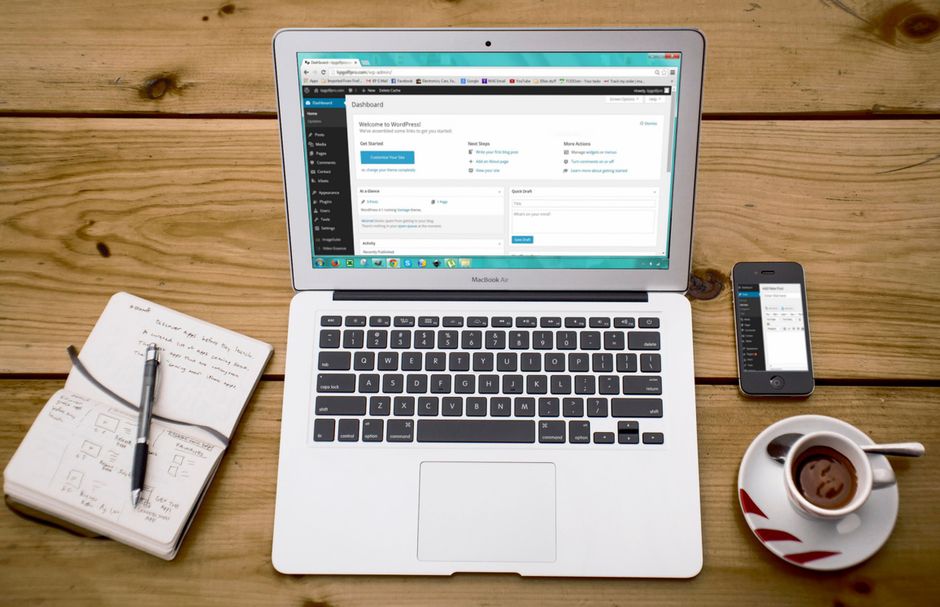
Changing your WordPress domain is the website equivalent of repainting a house while the family lives in it. Content stays, visitors keep coming, and one wrong step makes the whole thing look unfinished. The good news: it's a known operation with a known sequence, and thousands of sites do it every year.
This is the honest guide to moving WordPress to a new domain: the backup, URL changes, redirects, and mistakes that cost you traffic.
Note: this page names paid tools. If you subscribe through any links here, RemoGrid may earn a commission at no extra cost to you.
Website Optimization and Security Best Practices
Choosing a reliable web host is the first step, but maintaining optimal website performance requires ongoing attention to configuration, caching, and security essentials. A fast, secure site improves user experience and supports higher search engine rankings.
Implement server-level or plugin-based caching, configure a content delivery network (CDN) like Cloudflare, and compress all images before uploading them to your server. Keeping your themes, plugins, and core CMS software updated protects your site against common vulnerabilities and ensures compatibility with modern PHP and database standards.
Always maintain automated off-site backups. Whether using an automated host backup tool or an independent cloud backup solution, having a recent restore point ensures you can recover quickly from unexpected technical errors or server issues.
Scaling Your Hosting as Your Traffic Grows
As your website traffic grows from a few hundred visitors to tens of thousands of monthly page views, monitor server response times and resource use closely. Shared hosting environments share server memory and CPU power among multiple accounts, which can lead to slowdowns during sudden traffic spikes.
When you begin noticing slower load times during peak hours, consider upgrading to a virtual private server (VPS) or a dedicated cloud hosting plan. Cloud-based hosting provides isolated resources, scalable bandwidth, and greater control over server configurations.
Planning your hosting upgrades proactively prevents site downtime during major marketing campaigns or viral traffic events, ensuring your visitors always enjoy a fast, smooth browsing experience.
Actionable Next Steps and Implementation Guide
To turn the advice in this guide into tangible results, start by breaking down your implementation into manageable daily tasks. Trying to execute everything at once often leads to overwhelm and abandoned projects.
Begin with a quick assessment of your current setup, identify the single highest-priority bottleneck, and dedicate focused time to resolving it first. Document your progress, track your results against measurable benchmarks, and iterate based on what works best for your specific situation.
Consistency over time is what ultimately separates successful projects from stalled ideas. Dedicating even an hour each day to focused execution compounds into substantial progress over weeks and months.
The Short Answer
The safe move is four steps: back up everything, change the URLs in the settings and database, set up the 301 redirects from the old domain, and update DNS. The backup is the non-negotiable first step. The redirects are what protect your rankings and traffic.
The Backup First
| Step | Why it matters |
|---|---|
| Back up files | The site content |
| Back up database | The posts and settings |
| Store off-server | Safe from host failure |
| Test the restore | Know it works |
The move changes hundreds of URL references across the database. One error mid-process can break the site. The backup is the undo button - without it, the move is a gamble.
The URL Change
- Update settings - the WordPress address and site address fields
- Search Database - replace the old domain with the new one
- Check Links - internal links follow the change
The URL change is the technical core of the move. The settings fields handle the main addresses, and the database search-and-replace handles everything the settings miss. The plugins that automate this exist, but the manual check is the safety pass.
The Redirects
The redirects decide your traffic fate:
- 301 redirects - permanent redirect that passes ranking
- Old domain to new - every old page points to its new home
- Individual pages - pages map to their equivalents
Without redirects, old links, and search rankings die. With them, most of the traffic transfers to the new domain. The redirect setup takes an hour and protects years of work behind the old URL.
The DNS and Waiting
After move, DNS needs to point the old domain at the new site. The changes propagate over hours to days. During the transition, some visitors see the old site and some see the new one. The honest advice: make changes, then wait - don't keep re-editing the DNS out of impatience.
The Common Mistakes
- Skipping Backup - move becomes a risk
- Forgetting Redirects - traffic and rankings die
- Missing database references - images and links break
- Changing Dns early - site goes offline mid-move
The failures are all preventable. The sequence protects you: backup, move, redirect, then DNS. Rush order and site pays.
The Search Console Angle
The move has the tracking side:
- property add - new domain verified
- change of address - old domain redirected
- reindex - fresh crawl
The honest framing: the Search Console change of address tells Google the move is deliberate. The rankings dip in the transition and recover with redirects and reindex. The site owner who submits the sitemap on the new domain shortens the dip.
What I'd Actually Do
Back up the files and database and store them off-server. Change the URLs in the settings, run the database replacement, and verify the site loads on the new domain. Set up the 301 redirects from the old pages. Update DNS last, and give changes time to propagate before troubleshooting. The move is routine when the sequence holds.
Final Takeaway
Moving WordPress to a new domain is a real operation with a reliable sequence. The backup protects you, the URL changes move content, redirects keep the traffic, and the DNS finishes job. The mistakes are the skipped steps, and every one is preventable. Follow the order, wait for the propagation, and the new domain becomes the site your visitors never noticed moved.
Also read: the host move in how to move WordPress to a new host, the backup side in how to back up a WordPress site for free, and the domain transfer in how to transfer a domain to Namecheap.
Frequently Asked Questions
Back up first, then update URLs in settings and database. The backup is the difference between a move and a disaster.
The redirects decide that. Setting up 301 redirects from the old pages to the new ones keeps most of the rankings and traffic.
It should redirect to the new one. Keep the old domain registered and pointing at the new site.
Yes - content moves with the database. Risk is the broken links and search ranking, which the redirects handle.
The technical move takes an hour. The DNS and search updates take days to settle.
Yes, keep it and redirect it to the new one so old links still work. The redirect preserves traffic and SEO.
Yes, add the new site to the search consoles and submit the new sitemap. The old property can stay for the redirect window.

Alex Morgan is the founder and lead editor of RemoGrid. With over six years of hands-on experience in remote operations, cross-border freelance workflows, and AI tool benchmarking, Alex independently tests and audits software platforms to help modern digital workers build sustainable online income streams. He regularly reviews international payment systems (Wise, Stripe, Payoneer, local mobile wallets) and conducts real-world usability benchmarks across AI productivity tools.